
Symptoms of Liver Disease in Dogs
October 3, 2025
Dr. Leanne Versteege

The liver is an important organ with many functions, including the digestion and conversion of nutrients, the removal of toxic substances from the blood, and the storage of vitamins and minerals. Because the liver works to rid the body of so many different substances, it is susceptible to damage from many different sources. An abnormally functioning liver has rapid and widespread effects. Liver disease results in inflammation, known as hepatitis. If untreated, this can lead to loss of function as healthy liver cells are replaced by scar tissue. Diseases elsewhere in the body can also affect the liver’s function.
In most cases, early diagnosis of liver disease allows it to be effectively managed and progression of the disease limited. Many dogs go on to live happily, years after their diagnosis. Regular blood tests, proper nutrition and some medication/supplements designed to support the liver are key to managing your dog’s liver disorder.
In most cases of canine chronic hepatitis, the cause is unknown, however there are some factors that increase your dog’s likelihood of developing liver disease and these include:
Age: Several diseases, including liver dysfunction, are common in geriatric dogs.
Breed: Certain dog breeds such as the Dobermann, West Highland White Terrier, Labrador Retriever, Skye Terrier, American Cocker Spaniel, English Cocker Spaniel, Standard Poodles and Bedlington Terriers are predisposed to liver disease.
Bedlington Terriers and West Highland White Terriers have been known to have difficulty excreting copper, which can impact a dog’s liver. This genetic disease predisposes these breeds to chronic hepatic disease characterised by copper accumulation in the liver.
Whereas, chronic hepatitis in Doberman Pinschers is an inherited, copper associated disease that can affect middle aged to older dogs, with female dogs more likely to be affected than males.
Medications and chemicals: There are a number of medications that may damage the liver such as acetaminophen (paracetamol), phenobarbital and trimethoprim/sulfadiazine, so careful monitoring is required when using certain medications in dogs.
Other potential causes of damage to the liver include:
The signs of liver disease can be very similar to those of other conditions. Symptoms to look out for include:
Other possible signs of liver disease in dogs include dark-coloured urine, pale gums or a buildup of fluid in the abdomen that could be mistaken for sudden weight gain.
Liver disease isn’t always straightforward. Symptoms can be vague, overlap with other conditions, or change over time, which is why a thorough diagnostic approach matters.
At Casey and Cranbourne Veterinary Hospital, we investigate liver disease using a combination of same-day in-house blood testing, advanced-quality ultrasound, and, where needed, surgical biopsy to reach a definitive diagnosis. This allows us to move beyond assumptions and tailor treatment to what’s happening inside your dog’s body.
Because we have advanced imaging and diagnostic capability on site, many liver cases can be worked up locally rather than automatically referred elsewhere. For complex cases, biopsies may be recommended to guide long-term management and improve outcomes.
If you notice any of the above signs, however subtle, please book them in for an appointment to see one of our vets.
The vet will take a thorough history including any medication your dog may currently be on.
Then a thorough physical exam will be conducted and a screening blood test will be taken.
If the liver enzymes are elevated, further investigation may be warranted such as further blood tests to evaluate liver function in more detail and an abdominal ultrasound. Depending on these results, a biopsy of the liver might be required.
It depends on the cause of the liver disease but treatment usually involves the use of some or all of the following:
Treatment of canine chronic hepatitis in most cases is symptomatic, supportive and aimed at slowing progression of fibrosis.
There are some exceptions where further treatment is required beyond symptomatic therapy.
For further information on liver disease or if you have any concerns about your dog’s health, please contact Casey and Cranbourne Veterinary Hospital.
If your dog has ongoing digestive issues, unexplained lethargy, weight loss, or abnormal blood test results, early investigation is important.
Contact our team to book an appointment – we offer same-day diagnostics and see patients from Cranbourne and surrounding suburbs.

Learn how to protect your pets from snakes with key safety tips and what to do during an encounter.
Learn how feline hyperthyroidism affects cats, common symptoms, diagnosis options, and effective treatments from Melbourne veterinarians.

Essential tips to prevent pet overheating, recognise heat stress signs and keep your animals cool and safe in hot weather.
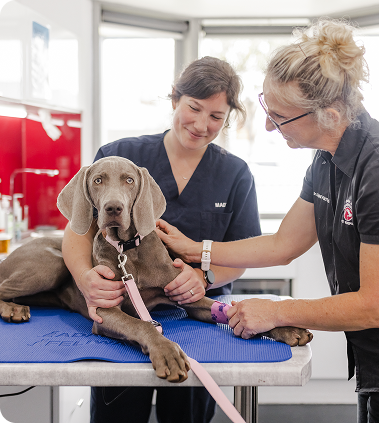
Liver disease is usually diagnosed using a combination of blood tests, imaging such as ultrasound, and sometimes a biopsy. We perform in-house blood testing with same-day results, which allows us to assess liver function quickly and decide on next steps.
Yes. We have access to advanced-quality ultrasound, which is commonly used to assess liver size, structure, blood flow, and surrounding organs. Ultrasound often provides essential information that blood tests alone can’t.
In some cases, yes. When a biopsy is needed to reach a definitive diagnosis or guide treatment, this can often be performed surgically at our hospital. We’ll always explain why it’s recommended and whether it’s the right option for your dog.
Yes. We regularly manage liver disease cases from Cranbourne, Clyde, Lynbrook, Seaford, Cranbourne West and surrounding areas, and many dogs can be investigated and treated locally without needing specialist referral.
Initial testing can often be done the same day, including blood work and imaging. More complex cases may require staged testing, but early investigation allows treatment to begin sooner.
If a case requires advanced procedures or care beyond what’s appropriate for in-house management, we’ll discuss referral options with you. When referral is needed, we stay involved and support ongoing care before and after specialist input.

Contact Info
Opening Hours
Monday to Friday: 8:00am –
7:00pm
Saturday: 8:00am – 3:00pm
Sunday: CLOSED
Closed on public holidays
For all out-of-hours emergencies,
please contact Veterinary Referral Hospital (VRH) on 1300 385 874
or Casey Pet Emergency on (03) 8790 1625.