Rehabilitation
Supporting movement, recovery and comfort
Supporting movement, recovery and comfort
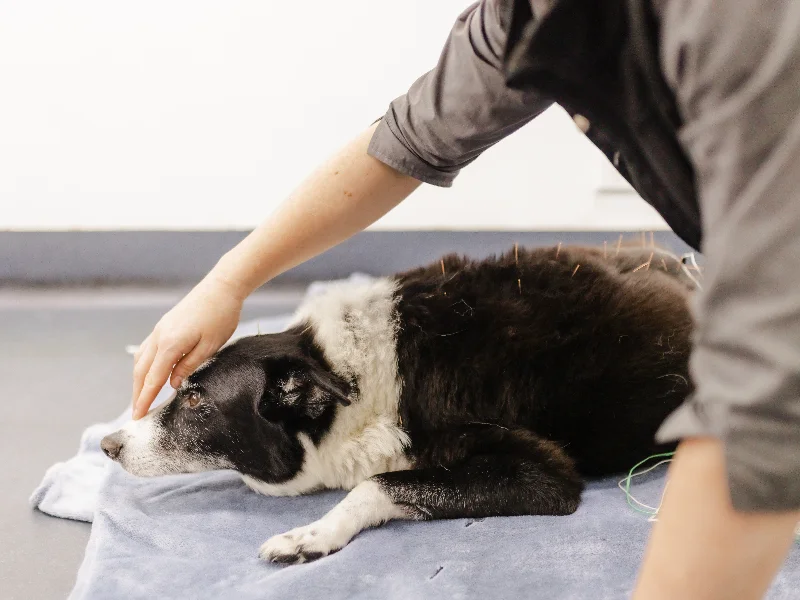
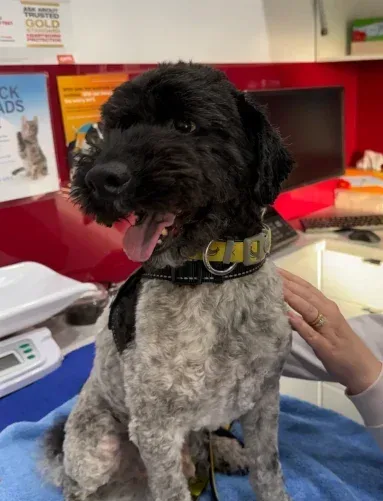
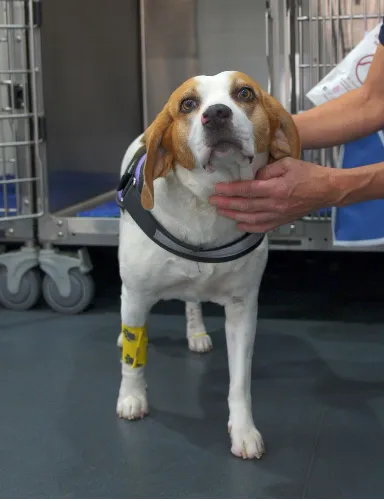
Changes in a pet’s movement, whether sudden or gradual, can be worrying for owners. Lameness, stiffness, reduced confidence, or slower recovery after surgery often raise questions about what will genuinely help, and what expectations are realistic. Rehabilitation at Casey & Cranbourne Veterinary Hospital is designed to support recovery and mobility in a structured, considered way.
It’s led by Dr Elizabeth Doran, a veterinarian with formal physiotherapy training, who brings a deeper understanding of movement, musculoskeletal function, and lameness into everyday veterinary care. Rehabilitation is never approached as a one-size-fits-all solution. Each plan is guided by assessment, diagnosis and clear goals, and is used when it can meaningfully support comfort, recovery or function alongside medical or surgical care.
“The focus is on comfort, movement and steady improvement.”
Rehabilitation may benefit pets across a wide range of conditions, including:
It may be used on its own or alongside other treatments, depending on the individual case.
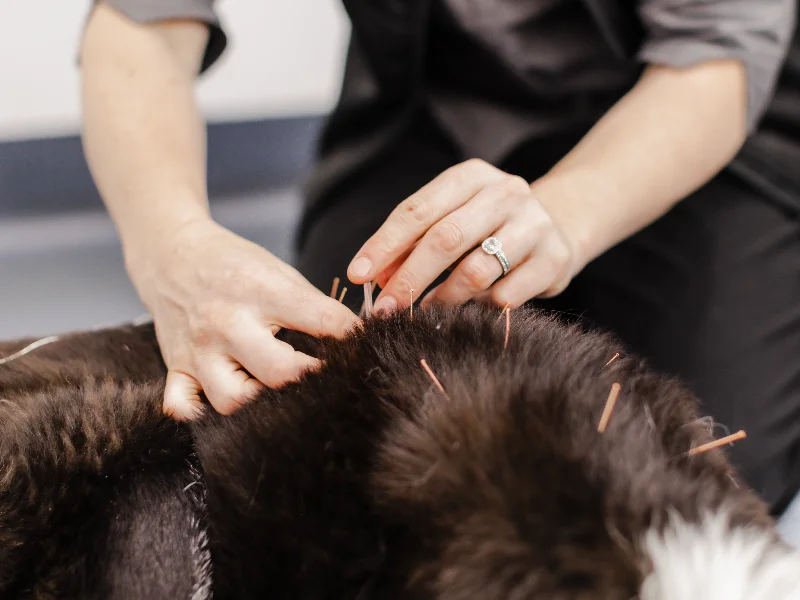
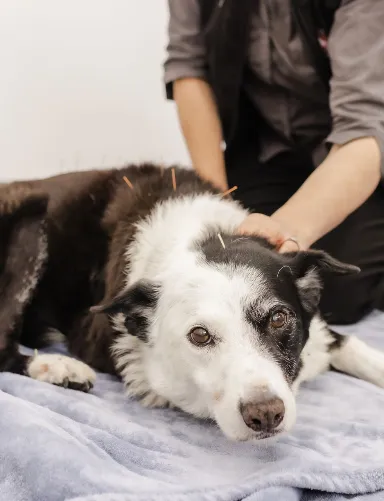
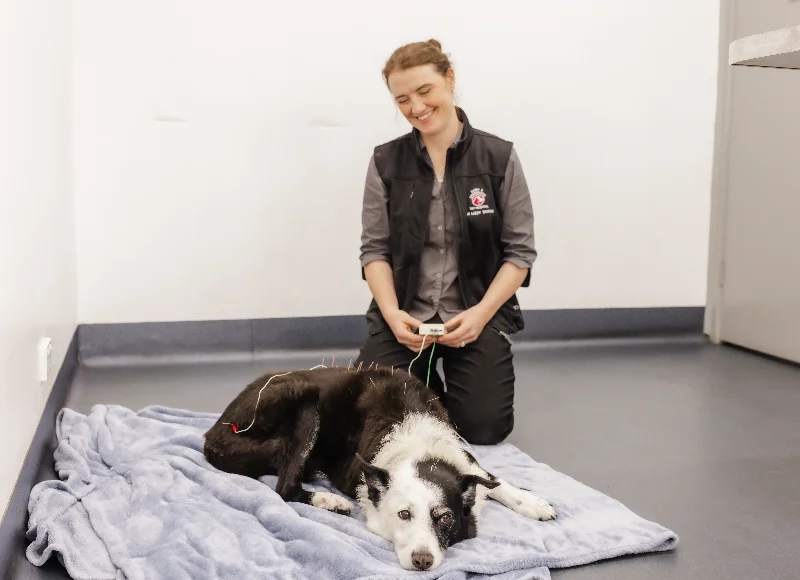
Rehabilitation plans are tailored to each pet and may include a combination of therapies, selected based on assessment and treatment response.
We currently offer:
These therapies are used thoughtfully and purposefully, as part of a broader care plan rather than as standalone treatments.
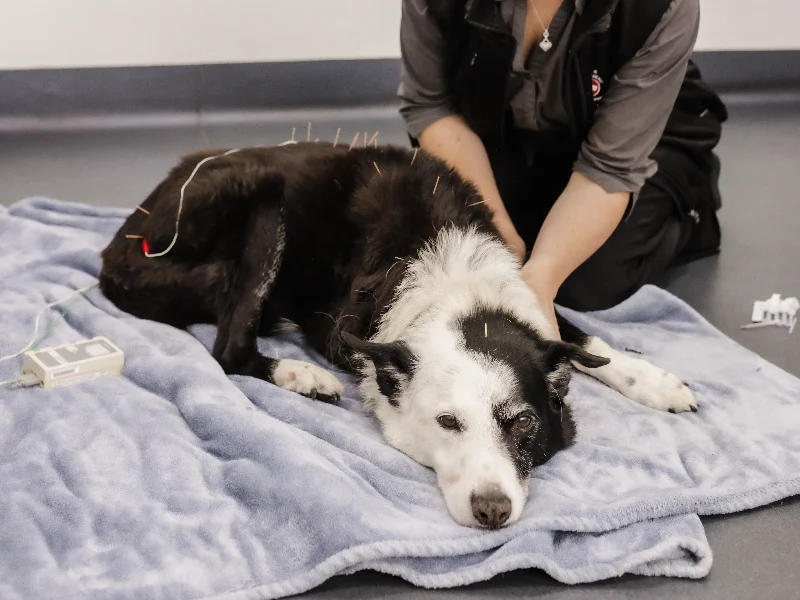
Before starting rehabilitation, your pet’s mobility is assessed using gait analysis, a thorough medical history and appropriate outcome measures. This allows us to understand not just where a problem exists, but how it’s affecting movement and daily function.
Improvement depends on the nature of the condition. Recent injuries may respond more quickly, while chronic conditions often require a longer-term approach. In most cases, a commitment of at least four sessions is needed to achieve meaningful progress, with session frequency tailored to the condition being treated.
Progress is monitored closely, and treatment plans are adjusted as your pet responds.
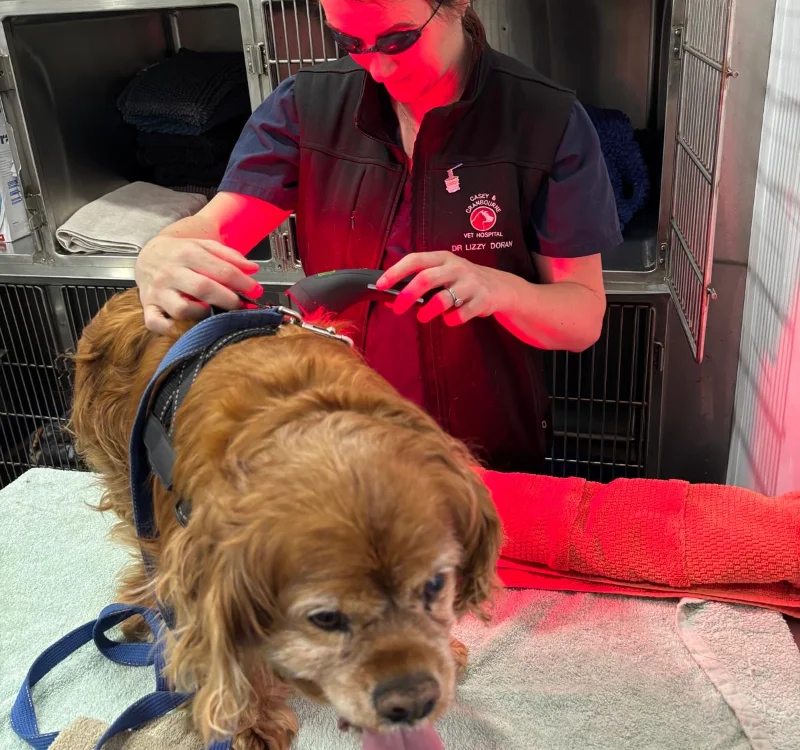
Rehabilitation works best as a partnership. Owner involvement during sessions is important, as it allows exercises and techniques to be clearly explained and demonstrated.
Home exercise programs are a key part of many rehabilitation plans and may include strengthening and balance exercises, massage, or trigger-point therapy. Follow-up with the veterinarian is essential to review progress and adjust exercises as needed.
Pets whose owners consistently engage with both in-clinic sessions and home programs tend to see the greatest gains.
If you’re noticing changes in how your pet moves, or they’re recovering from surgery or injury, rehabilitation may be a helpful part of their care.
Our team is happy to talk through whether it’s appropriate and, just as importantly, what level of commitment is likely to be involved.
Your pet’s care is supported by a highly experienced team who provide everything from routine check ups and preventative care, to advanced diagnostics, surgery and dentistry. We take a careful, thorough approach to every case and keep you informed at each step, so your pet receives reliable, compassionate care throughout their life.
Whether your pet needs everyday health support, or help with a more complex condition, our team work together to provide clear answers and thoughtful treatment in a calm, modern hospital.
Helpful tips and expert guidance to support your pet’s health and everyday well-being.
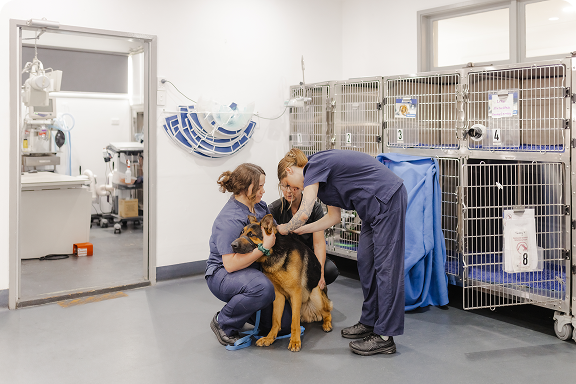
Real stories from our veterinary team showing how we diagnose, treat and support pets through illness and recovery.
No. Rehabilitation can also support pets with arthritis, chronic pain, lameness or mobility changes, even if surgery hasn’t been performed.
This depends on the condition and whether it’s recent or long-standing. Most cases require a commitment of at least four sessions, with frequency tailored to the individual.
Most pets find sessions calm and comfortable. Treatments are introduced gradually and always adjusted to your pet’s tolerance.
Yes. Rehabilitation can play a valuable role in supporting comfort and mobility for older pets with arthritis or age-related stiffness.
Yes. We regularly support pets from Cranbourne West, Cranbourne South, Clyde, Lynbrook and surrounding suburbs.
Some policies do cover rehabilitation. We recommend checking directly with your insurer.

Contact Info
Opening Hours
Monday to Friday: 8:00am –
7:00pm
Saturday: 8:00am – 3:00pm
Sunday: CLOSED
Closed on public holidays
For all out-of-hours emergencies,
please contact Veterinary Referral Hospital (VRH) on 1300 385 874
or Casey Pet Emergency on (03) 8790 1625.