Dental Care and Oral Health
Supporting Your Pet’s Comfort,
Health and Quality of Life
Supporting Your Pet’s Comfort,
Health and Quality of Life
Dental disease is one of the most common causes of ongoing pain in pets, and it often develops quietly. Bad breath, inflamed gums or a change in eating habits are easy to dismiss, but they can signal significant discomfort below the surface.
Your pet may continue eating even when their mouth is painful. We regularly see dogs and cats cope silently with loose teeth, infections or damaged roots. Addressing dental disease early can make a noticeable difference to comfort, energy and overall well-being.
“Dental disease often causes pain long before it becomes obvious. Early care can make a real difference to how your pet feels day to day.”
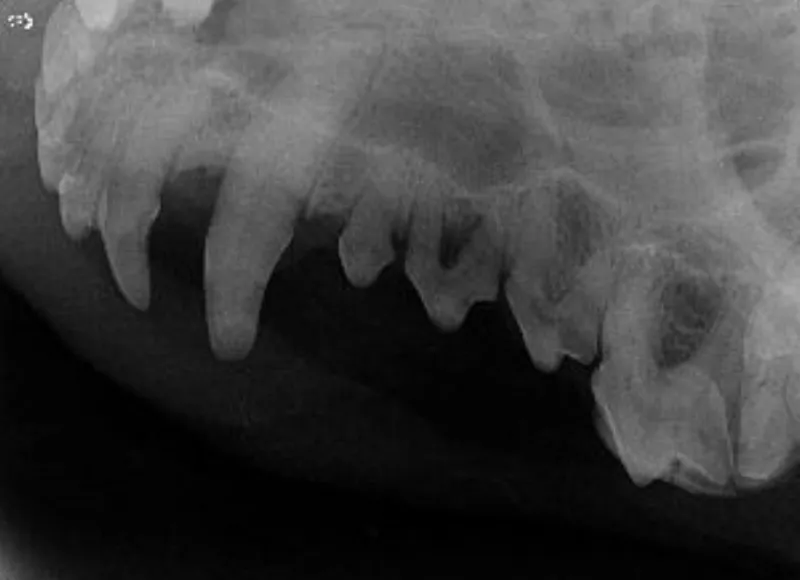
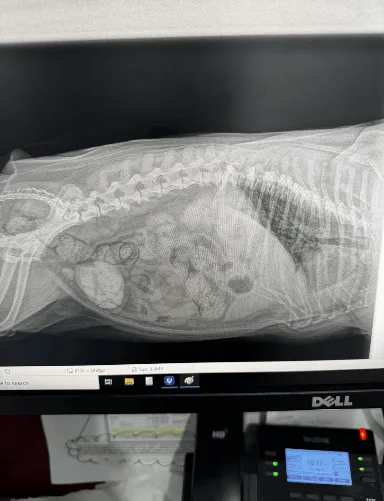
Every dental procedure begins with a full assessment under anaesthetic, including dental X-rays. This allows us to see what is happening beneath the gum line, where many painful conditions hide. Teeth that look normal on the surface can still be causing significant pain.
We look at dental disease in stages so we have a sense of what your pet is dealing with. Sometimes it’s just tartar and a clean is enough. Other times there are teeth that are sore or infected and need to be removed. We usually have a good idea of what’s likely before we start, but X-rays can show things that aren’t obvious, and we’ll talk you through that if it happens.
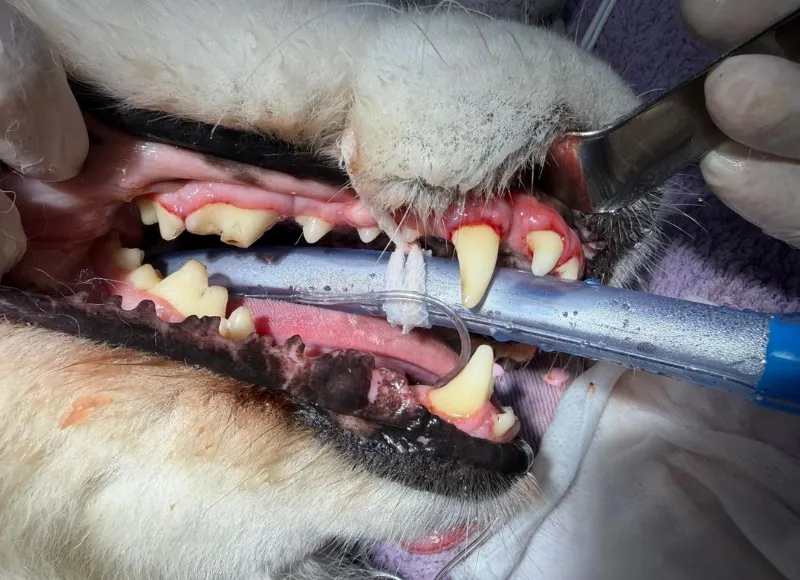
During a dental procedure, your pet is watched closely by a nurse whose only focus is them. Pain relief is planned before we start, and nerve blocks are used if teeth need to be removed. As your pet wakes up, they’re monitored and supported until they’re comfortable on their feet again.
Once painful teeth are gone, many pets feel more comfortable very quickly. It’s common for owners to notice their pet eating better the same evening. You’ll go home with clear advice on feeding, healing and simple ways to look after your pet’s mouth from here on.
Your pet’s care is supported by a highly experienced team who provide everything from routine check ups and preventative care, to advanced diagnostics, surgery and dentistry. We take a careful, thorough approach to every case and keep you informed at each step, so your pet receives reliable, compassionate care throughout their life.
Whether your pet needs everyday health support, or help with a more complex condition, our team work together to provide clear answers and thoughtful treatment in a calm, modern hospital.
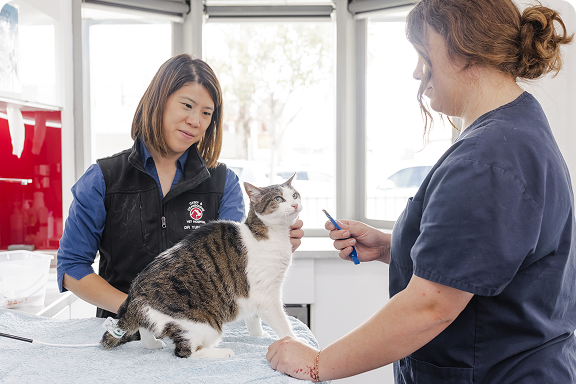
Helpful tips and expert guidance to support your pet’s health and everyday well-being.
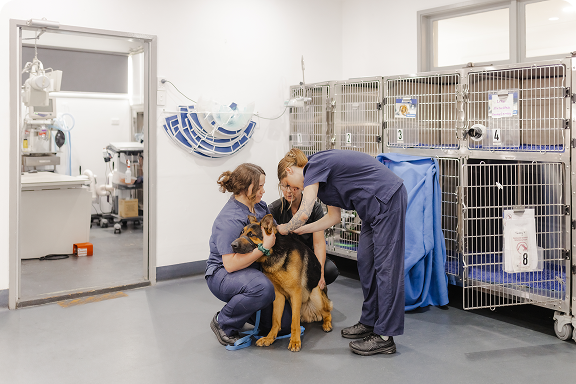
Real stories from our veterinary team showing how we diagnose, treat and support pets through illness and recovery.
Bad breath, red gums, visible tartar, loose teeth or chewing on one side can all be signs. Some pets show very few signs, which is why regular checks matter.
Yes. Dental X-rays help us see problems below the gum line, including infections or damaged roots that cannot be seen otherwise.
Most pets recover quickly and are more comfortable once painful teeth are removed. You may notice improved appetite and energy within a day or two.
Yes. Small breed dogs are particularly prone to dental disease, especially if they prefer soft food or resist home tooth cleaning.
It can. Bacteria from the mouth can enter the bloodstream and affect organs such as the heart, kidneys and liver if dental disease is left untreated.
Simple steps like dental chews, water additives and gentle tooth brushing can help. We will guide you on what is appropriate for your pet and what to avoid.

Contact Info
Opening Hours
Monday to Friday: 8:00am –
7:00pm
Saturday: 8:00am – 3:00pm
Sunday: CLOSED
Closed on public holidays
For all out-of-hours emergencies,
please contact Veterinary Referral Hospital (VRH) on 1300 385 874
or Casey Pet Emergency on (03) 8790 1625.