
Helping You Understand Changes in Your Pet’s Behaviour
When Your Pet’s Behaviour Changes
Changes in behaviour can be upsetting, especially when they seem to come out of nowhere. We often see dogs struggling with separation anxiety, noise sensitivity, aggression or destructive behaviour. In cats, this may look like tension in multi cat households or sudden aggression toward people they trust.
If your pet’s behaviour has changed, it does not mean you have done something wrong. These changes are often a sign that your pet is stressed, uncomfortable or unwell. Our role is to help you understand what may be driving the behaviour and talk through what support looks like, without judgement or pressure.
“Behaviour changes are often your pet’s way of telling you something isn’t right.”
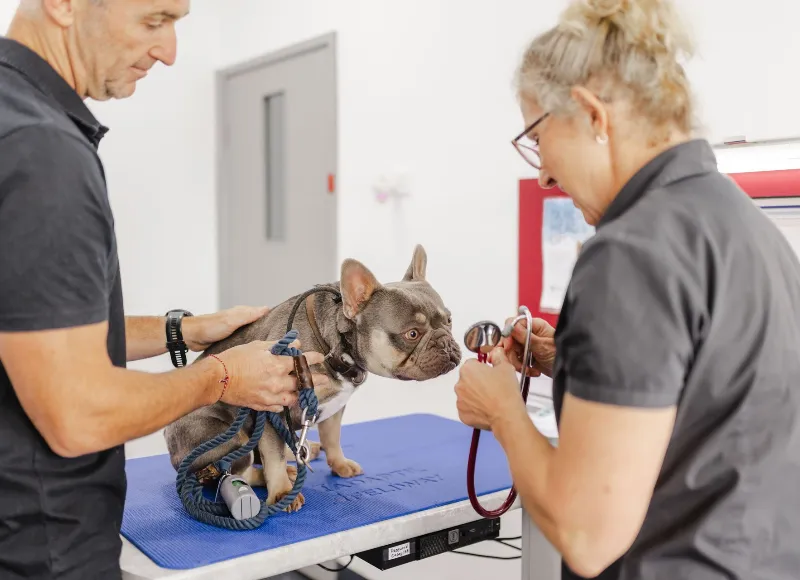
Ruling Out Medical Causes First
Behaviour and physical health are closely linked. Pain, illness and internal changes can all affect how your pet behaves at home. That is why behaviour guidance at our hospital always starts with a full physical examination and, where needed, further testing.
In some cases, behaviour improves once an underlying medical issue is treated. In others, medical support becomes part of a bigger picture. Understanding what is going on physically helps us decide how best to support your pet, rather than guessing or jumping straight to behaviour training alone.
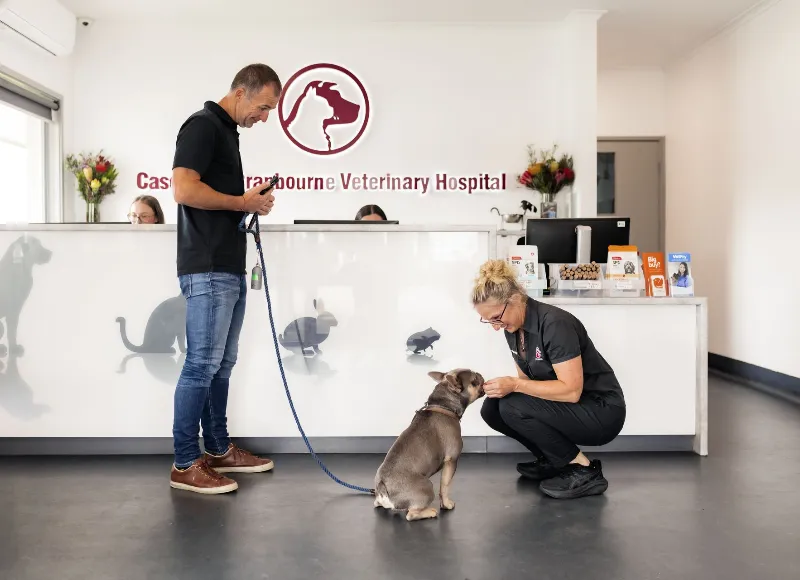
Early Support Makes a Real Difference
Behaviour concerns are often easier to work through when they are picked up early. We usually see better progress when owners reach out before behaviours become fixed or stress builds up at home.
Behaviour consultations are longer appointments. They give you the space to talk through what you are seeing day to day, what seems to trigger it and what has already been tried. Support may include training, changes at home, medication or a mix of approaches, with plans adjusted as your pet responds.
Our Services
Trusted Veterinary Services All Under One Roof
Your pet’s care is supported by a highly experienced team who provide everything from routine check ups and preventative care, to advanced diagnostics, surgery and dentistry. We take a careful, thorough approach to every case and keep you informed at each step, so your pet receives reliable, compassionate care throughout their life.
Whether your pet needs everyday health support, or help with a more complex condition, our team work together to provide clear answers and thoughtful treatment in a calm, modern hospital.


PET EDUCATION AND RESOURCES
Practical advice and real case stories to support your pet’s care.
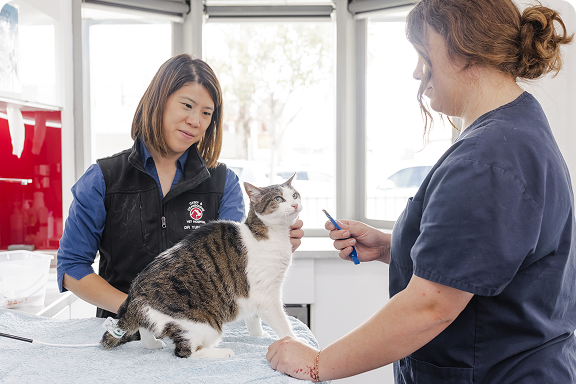
Pet Care Articles
Helpful tips and expert guidance to support your pet’s health and everyday well-being.
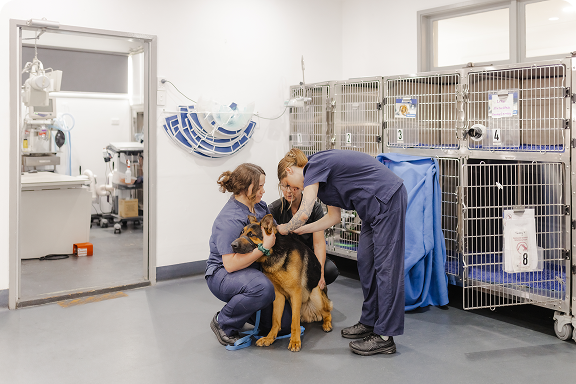
Real Life Case Studies
Real stories from our veterinary team showing how we diagnose, treat and support pets through illness and recovery.


Quick Answers to Common Questions
My dog’s behaviour has changed. Should I be worried?
A change in behaviour is often your dog’s way of telling you something is off. It could be stress, pain or an underlying health issue, so it’s worth having your dog checked rather than waiting.
Do you check for medical issues before treating behaviour problems?
Yes. We always start by checking your pet’s physical health. Pain or illness can have a big impact on behaviour, and addressing this first is important.
When should I book a behaviour consult instead of waiting?
If your pet’s behaviour is affecting daily life, getting worse, or causing stress at home, it’s a good time to seek advice. Early support often makes things easier.
Do you see a lot of separation anxiety around Cranbourne and Lynbrook?
Yes. We regularly support dogs from Cranbourne and Lynbrook with separation anxiety, particularly after changes in routine or time spent at home.
Will my pet need medication for behaviour issues?
Not always. Some pets improve with training and changes at home. In other cases, medication can help reduce anxiety and allow learning to take place. This is always reviewed over time.
Can older pets develop behaviour changes?
They can. As pets age, cognitive changes can affect behaviour. With early support, many older pets remain settled and comfortable for longer.
Book your pet’s appointment
today with our experienced, caring team.

Newsletter sign up
Contact Info
Opening Hours
Monday to Friday: 8:00am –
7:00pm
Saturday: 8:00am – 3:00pm
Sunday: CLOSED
Closed on public holidays
For all out-of-hours emergencies,
please contact Veterinary Referral Hospital (VRH) on 1300 385 874
or Casey Pet Emergency on (03) 8790 1625.