
Lameness in Dogs
June 19, 2025
Dr. Leanne Versteege
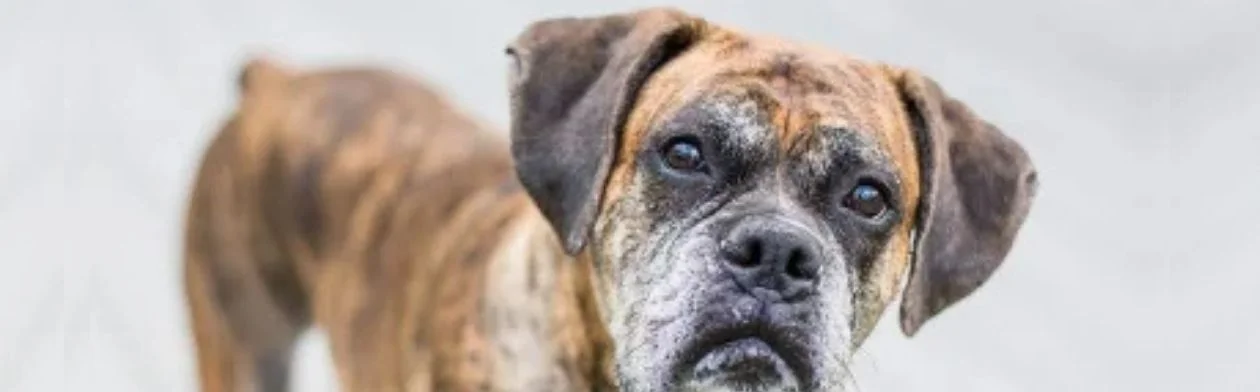
Lameness in dogs is one of the most common reasons owners bring their pets to the vet. It can develop suddenly after an injury or appear gradually over time.
Sometimes the cause is relatively minor, such as a muscle strain or a small paw injury. In other cases, lameness may signal a more significant underlying problem involving the joints, ligaments, bones, or nervous system.
Understanding what might be causing your dog’s limp is the first step toward getting them comfortable again.
Lameness refers to any abnormal movement or change in the way a dog walks or bears weight on a limb.
Signs may include:
Some dogs will still attempt to use the affected leg, while others may hold it completely off the ground.
Lameness can result from a wide range of issues.
Some of the more common causes we see include:
Soft Tissue Injuries
Strains and sprains affecting muscles, tendons, or ligaments are common, especially in active dogs. These injuries often occur after running, jumping, or sudden twisting movements.
Cruciate Ligament Injuries
Rupture of the cranial cruciate ligament (similar to the ACL in humans) is a frequent cause of hind limb lameness. Dogs with cruciate injuries often suddenly stop putting weight on the affected leg and may struggle to stand or walk comfortably.
Arthritis
Degenerative joint disease is common in older dogs but can also occur in younger animals following injury or joint abnormalities. Arthritis typically causes stiffness, particularly after rest, and may gradually worsen over time.
Paw or Nail Injuries
Small but painful problems such as torn nails, cuts between the toes, grass seeds, or foreign objects lodged in the paw can cause sudden limping.
Bone Conditions
In some cases, lameness may be related to bone diseases, including infections, developmental conditions, or tumours affecting the bone.
Osteosarcoma is the most common primary bone tumour in dogs. It is an aggressive cancer that most frequently affects large and giant breed dogs.
It typically develops in the long bones of the limbs and can cause:
Because the tumour weakens the bone structure, affected bones can fracture even with normal activity.
Diagnosis generally involves imaging such as X-rays, and in some cases, additional testing to confirm the diagnosis and determine whether the cancer has spread.
Treatment options may include surgery, chemotherapy, or palliative care, depending on the individual dog, their overall health, and the goals of treatment.
Any lameness that lasts more than a day or two, worsens, or causes significant discomfort should be assessed by a veterinarian.
Early examination allows us to:
In many cases, prompt diagnosis and management can significantly improve a dog’s comfort and long-term outcome.
Treatment will depend on the underlying cause of the lameness. Some dogs require rest and anti-inflammatory medication, while others may benefit from surgery, physiotherapy, or longer-term management plans.
Our team works closely with owners to determine the most appropriate approach for each dog, aiming to restore comfort, mobility, and quality of life wherever possible.
If you notice your dog limping or showing signs of pain, please contact Casey and Cranbourne Veterinary Hospital to arrange an assessment.
Learn how to protect your pets from snakes with key safety tips and what to do during an encounter.
Learn how feline hyperthyroidism affects cats, common symptoms, diagnosis options, and effective treatments from Melbourne veterinarians.

Essential tips to prevent pet overheating, recognise heat stress signs and keep your animals cool and safe in hot weather.
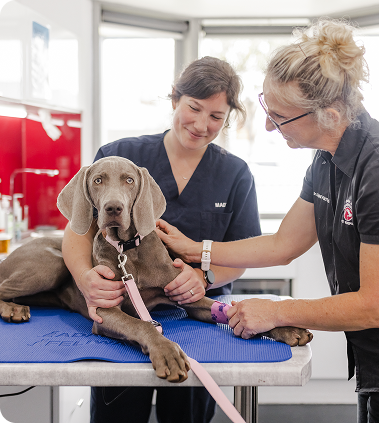
Yes. Dr Elizabeth Doran is a trained physiotherapist who later became a veterinarian, giving her a specialised understanding of musculoskeletal pain, movement, and recovery. This experience is particularly valuable in complex or ongoing lameness cases.
We use in house X-rays and ultrasound, with access to mobile CT when more detail is needed. This allows us to thoroughly investigate bones, joints, muscles, and soft tissue, often on the same day.
Yes. Depending on the cause, rehabilitation may include laser therapy, acupuncture, and tailored recovery plans. These treatments can help reduce pain, improve mobility, and support healing alongside medical or surgical care
Laser therapy can be very helpful for certain lameness conditions, particularly muscle strain, arthritis, and soft-tissue injuries. We assess each case individually to ensure it’s appropriate and beneficial.
Yes. We regularly see dogs with lameness from Cranbourne, Clyde, Lynbrook, Seaford, Skye and Devon Meadows, including active working breeds and senior dogs with mobility changes.
Many lameness cases can be diagnosed and managed in-house. If advanced orthopaedic surgery or specialist input is required, we’ll guide you through that decision clearly and transparently

Contact Info
Opening Hours
Monday to Friday: 8:00am –
7:00pm
Saturday: 8:00am – 3:00pm
Sunday: CLOSED
Closed on public holidays
For all out-of-hours emergencies,
please contact Veterinary Referral Hospital (VRH) on 1300 385 874
or Casey Pet Emergency on (03) 8790 1625.