
Feline Immunodeficiency Virus (FIV)
August 8, 2025
Dr. Leanne Versteege
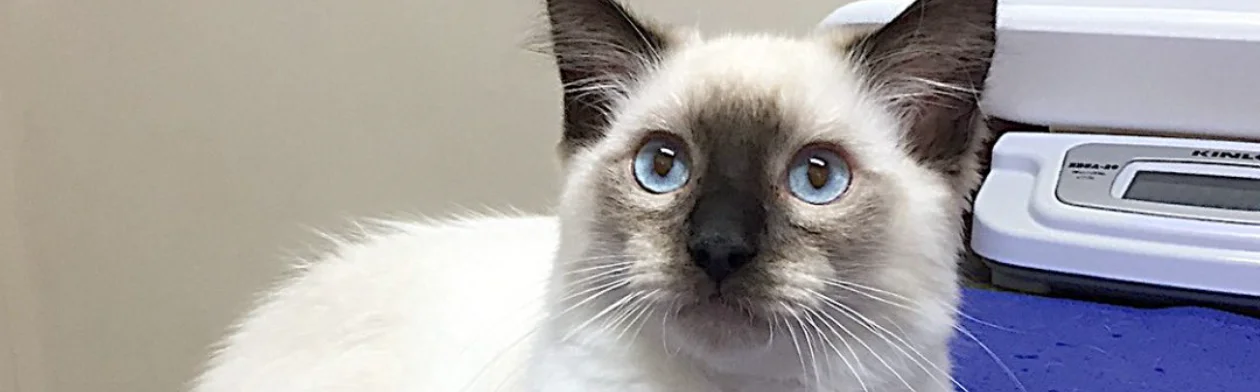
Feline immunodeficiency virus (FIV) is a viral disease which affects the immune system of domestic cats. Whilst FIV cannot be transferred to humans, it acts in the same way as the human form of HIV, destroying the immune system and leaving a cat susceptible to infections and disease.
As an ISFM Gold Standard Cat Friendly Clinic, Casey and Cranbourne Veterinary Hospital regularly diagnoses and manages FIV in cats across Cranbourne, Clyde, Lynbrook and surrounding suburbs. With in-house blood testing and a feline-focused, low-stress environment, we’re able to identify FIV early and guide owners through long-term care with clarity and compassion. Many FIV-positive cats live long, comfortable lives with the right monitoring, preventative care and home management.
FIV is primarily found in the saliva of cats, meaning the most common source of FIV exposure for cats is a deep bite from an infected cat. It is not easily spread from casual or familial contact, so an infected cat grooming a non-infected cat is very unlikely to spread the disease. Sharing feed bowls and litter trays should not pose high risk. However, cats getting into serious fights, where bites puncture the skin, are at high risk of contracting FIV.
Although the two terms are sometimes used interchangeably, FIV is not the same as Feline AIDS. FIV can cause an AIDS-like condition, however, like in HIV, AIDS (Acquired Immunodeficiency Syndrome) is the end stage of the virus which occurs after the long latency period. Feline AIDS is often an outcome of an FIV infection, however some cats may never develop feline AIDS.
An FIV infected cat may not show any symptoms for years. Once symptoms do develop, however, they may continually progress or a cat may show signs of sickness interspersed with normal health for years. If your cat is demonstrating any of the following symptoms, please bring them to the clinic for an examination and further investigation which may include an FIV blood test.:
A screening blood test run in the clinic can tell us if your cat has been exposed to the virus from 60 days after the initial infection. This test checks for FIV antibodies so if your cat has had any FIV vaccinations in the past, this can result in a false positive test result. If this is the case, blood can be sent to an external lab to look for the FIV virus.
Our veterinary team has extensive experience managing FIV-positive cats, from early diagnosis through to long-term care. With all vets having 10+ years’ clinical experience and access to in-house blood testing, we can confirm FIV status quickly and begin appropriate monitoring without delay. Our focus is not just diagnosis, but also supporting cats and owners through preventive care, infection control, dental health, and quality-of-life planning, without unnecessary interventions or upselling.
A diagnosis of FIV is not necessarily a death sentence for cats. After infection, there is a period of variable length during which the virus lives in the cat’s body but may not cause the cat to become unwell. The average length of time between becoming infected and the start of symptoms related to the virus is 7 years but may be as little as 1 year or up to 10 years after infection.
Prognosis depends on the age when diagnosed, whether other illnesses are present and the capacity of the owner to minimise further risks which may exacerbate the disease. Once a cat has been diagnosed with FIV, they should be kept indoors to prevent further spread of the disease and limit exposure to injuries and infections.
Preventative health care is essential with a yearly vaccination to protect your cat from the most common cat diseases (cat flu and panleucopaenia) and regular parasite control to protect against fleas, intestinal worms and heartworm.
They should be fed nutritionally complete and balanced diets and uncooked food, such as raw meat, eggs and unpasteurised dairy products should be avoided to minimise the risk of food borne bacterial and parasitic infections.
If you have other cats in the household, it is recommended they are also tested for FIV and if negative, vaccinated against the disease. FIV negative cats in a household where one cat tests positive for FIV cannot contract FIV through sharing food bowls, they can only be infected if they fight with and are bitten by the FIV positive cat. Given FIV positive cats can live for years with the disease, it’s worth protecting the rest of the cats in the household with the FIV vaccination.
The best way to prevent a cat from contracting FIV is to keep them indoors. As FIV is spread through deep bites, a cat kept exclusively indoors will be extremely unlikely to contract FIV. Cats most at risk of FIV (due to their propensity to fight) are male, entire (undesexed) and live mainly outside. Desexing your cat will help reduce their risk, however access to the outdoors will always increase the risk of exposure to FIV.
Vaccinations play an important role in protecting your cat against FIV and the initial course consists of 3 injections two weeks apart. Kittens can start this course at 12 weeks of age as the FIV vaccine can be safely given alongside the routine F3 vaccine. Ongoing yearly boosters are required to maintain immunity.
Please note that like other vaccinations, some cats don’t develop 100% immunity so preventing your cat from getting involved in cat fights and being bitten by an infected cat is still important.
Below are two beautiful kittens who recently presented for their FIV vaccination course. At just $36 per injection (if given alongside the F3 vaccination), it’s a small price to pay to provide the best possible protection against this incurable disease.
If you have an adult cat and wish to start the FIV vaccination course, please contact the clinic today to book an appointment for an FIV blood test. Provided they haven’t been in a fight with another cat for at least 60 days (the incubation period for FIV) AND their FIV test result is negative, they can be vaccinated against the virus. Once again, they require the initial course of 3 injections 2 weeks apart followed by yearly boosters.
Feline Immunodeficiency Virus is very prevalent in the domestic cat population in the City of Casey, we regularly diagnose cats with FIV who present to the clinic with underlying illnesses, most notably mouth infections, together with a history of being in fights in the past (sometimes very distant past).
Given there is no cure once a cat has contracted FIV, prevention is vitally important to ensure your beloved cat stays free of Feline Immunodeficiency Virus.
Living in growing suburbs such as Cranbourne, Cranbourne West, Clyde and Lynbrook, where outdoor cat populations are common, increases the risk of cat-to-cat fighting. This makes desexing, vaccination and indoor-only lifestyles particularly important for long-term feline health in our local area.
If you’re concerned your cat may be at risk of FIV, or you’ve recently received a diagnosis, our experienced team is here to help. We regularly treat FIV-positive cats and offer same-day testing, clear guidance and ongoing support.
We see cats from Cranbourne, Clyde, Lynbrook, Seaford and surrounding suburbs.
Contact us to book an appointment or speak with our team if you’re unsure what to do next.
Learn how to protect your pets from snakes with key safety tips and what to do during an encounter.
Learn how feline hyperthyroidism affects cats, common symptoms, diagnosis options, and effective treatments from Melbourne veterinarians.
Essential tips to prevent pet overheating, recognise heat stress signs and keep your animals cool and safe in hot weather.
Yes. We offer in-house FIV blood testing with rapid results, allowing us to confirm exposure and discuss next steps during the same visit.
No. Many FIV-positive cats live for years with a good quality of life when supported with preventative care, regular health checks and prompt treatment of secondary infections.
Yes. We regularly manage FIV cases from Cranbourne, Clyde, Lynbrook, Seaford and surrounding areas.
In many cases, yes. FIV is primarily spread through deep bite wounds, not casual contact like sharing bowls or grooming.
Yes. As an ISFM Gold Standard Cat Friendly Clinic, we use stress-minimising handling and feline-specific care plans.
Absolutely. Preventative vaccinations are essential to protect FIV-positive cats from common infectious diseases that could otherwise become serious.

Contact Info
Opening Hours
Monday to Friday: 8:00am –
7:00pm
Saturday: 8:00am – 3:00pm
Sunday: CLOSED
Closed on public holidays
For all out-of-hours emergencies,
please contact Veterinary Referral Hospital (VRH) on 1300 385 874
or Casey Pet Emergency on (03) 8790 1625.