
BEWARE! Snake Season is Here Already!
October 3, 2025
Dr. Leanne Versteege
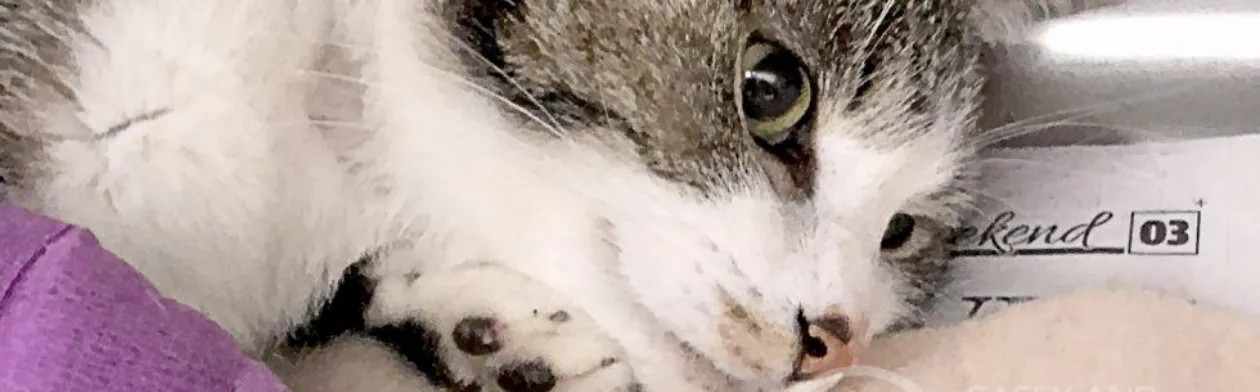
Snake encounters are one of those scary situations no pet owner wants to face, but if you live in Melbourne’s south-east, you need to be prepared for them. Understanding what to look out for and acting quickly can genuinely be the difference between life and death for your furry friend.
If you’re living in Cranbourne, Casey, Berwick, Narre Warren, Pakenham, Clyde, Clyde North, Beaconsfield, Officer, or anywhere in the surrounding areas, you’re in tiger snake and brown snake territory. These snakes are most active during the warmer months, generally October through February, but we do see them year-round when the weather heats up unexpectedly.
Snake venom isn’t just one thing; it’s actually a cocktail of different toxins that attack your pet’s body in multiple ways. Neurotoxins go after the brain and nervous system, causing progressive paralysis. The venom also depletes clotting factors in the blood, which means your pet can’t stop bleeding properly. On top of that, it damages muscle tissue, releasing harmful proteins into the bloodstream that can damage the kidneys.
Here’s something that surprises many people: even baby snakes carry enough venom to kill two adult humans. Their smaller fangs make it harder for them to deliver an effective strike, but they’re still incredibly dangerous. Tiger snake venom is slightly more toxic than brown snake venom, though honestly, both are capable of killing a pet.
This is where things get tricky. You might think that you would see noticeable fang marks or that your pet would be yelping in pain, but snake bites often happen quickly, and the symptoms can be subtle at first. The bite site itself is usually impossible to find, especially on furry pets like cats.
Here’s what you need to watch for:
Early warning signs
The first thing you might notice is sudden weakness. Your pet might collapse, then seem to recover and act fairly normal for a short time. This “recovery” is deceptive; the venom is still working through their system. You might see them struggle to walk more than a few steps before flopping onto their side. They’ll seem lethargic, their paws may feel cold to the touch, and their heart rate may be racing or unusually slow.
Snake bites in pets: as things progress
As the venom spreads, the neurological signs become more obvious. Their limbs become floppy and paralysed, you might see muscles twitching or shaking, and their blinking reflex reduces or stops altogether. Their pupils might be fixed and dilated. Breathing becomes difficult or shallow, and they lose coordination completely.
Other signs to watch for
Some pets vomit or drool excessively. Their urine might turn dark or bloody (usually later). You might notice swelling around the face, neck, or legs. But again, don’t waste precious time hunting for bite marks. If your pet is showing these symptoms, treat it as an emergency.
Interestingly, cats are more resistant to snake venom than dogs. A cat can potentially survive up to 45 hours without treatment, while dogs tend to deteriorate much faster. But before you think that means you can wait, understand that surviving without antivenom means your cat is in for a brutal week or more in the hospital with intensive supportive care, possibly with a feeding tube. The costs end up being similar to early antivenom treatment anyway. Plus, they’re suffering the whole time.
Dogs typically show symptoms faster and can go downhill within minutes to hours, so every minute really does count.
Let’s talk about what helps in this situation, because there’s a lot of misinformation out there.
First: Keep your pet still. Movement pumps venom through the body faster. Don’t let them walk; carry them to the car. If you have a big dog, bring the car to them if possible.
Second: Make sure you’re safe. Before you rush to your pet, make absolutely certain the snake has left the area. We don’t need two patients. Never try to catch, kill, or handle the snake.
Third: Call ahead. Ring us at Casey & Cranbourne Veterinary Hospital (or your nearest emergency vet) while you’re on the way so we can prepare for your arrival.
Fourth: Bandage if you can. If you somehow can identify where the bite is, apply a firm bandage above, below, and over the site to slow venom spread. If the bite is on the face or neck, take off your pet’s collar to prevent complications from swelling.
Fourth: Bandage if you can. If you somehow can identify where the bite is, apply a firm bandage above, below, and over the site to slow venom spread. If the bite is on the face or neck, take off your pet’s collar to prevent complications from swelling.
Don’t try to suck out venom (that’s movie nonsense), don’t apply ice, don’t use tourniquets (which can cause tissue death), and definitely don’t waste time searching for the bite site. Just get to the vet.
When you arrive at the clinic, we’ll do a thorough examination and likely run some blood tests. One key indicator we look for is elevated creatinine kinase (CK) levels. Normal CK levels sit between 50-300, but in snake bite cases, we’ve seen levels exceed 48,000. These tests help us confirm envenomation and determine the extent of the damage.
| Treatment | Purpose | Details |
| Antivenom | Neutralises snake venom | Administered via IV drip; produced by immunising horses to snake venom; expensive due to complex production and limited shelf life; multiple vials may be needed for severe cases. |
| IV Fluids | Protects kidneys | Flushes out toxic proteins released from damaged muscles; maintains blood pressure and hydration |
| Pain Management | Comfort and healing | Addresses muscle pain and overall discomfort from venom effects |
| Hospitalisation | Monitoring and support | Typically, 24-48 hours minimum, allows us to watch for complications and provide intensive care |
| Blood/Plasma Transfusions | Replaces clotting factors | Used in severe cases where venom has depleted the blood’s ability to clot |
| Respiratory Support | Maintains breathing | If paralysis affects breathing muscles, it may require ventilation in severe cases. |
Antivenom is the gold standard treatment. It’s expensive, there’s no getting around that, but it’s also the most effective option we have. The antivenom is made by gradually exposing horses to increasing amounts of snake venom until they develop antibodies, then harvesting those antibodies. It’s a complex process with a limited shelf life, which is why it costs what it does. The antivenom routinely used is the Tiger-Brown Snake Combo which is also effective against less venomous snakes like copperheads and red belly black snakes.
About 80% of pets survive a snake bite when they’re treated quickly. Without treatment, that number drops dramatically, and death can happen within hours.
Recovery time varies enormously. Some pets bounce back within 24-48 hours, while others need weeks of intensive care due to internal organ damage. It really depends on how quickly they received treatment, how much venom was injected, where they were bitten (closer to the heart means faster venom spread), what type of snake bit them, and your pet’s overall health.
You can’t eliminate the risk entirely, we live in Australia, after all, but you can definitely reduce it.
Making your yard less snake-friendly
Keep your grass short. This is probably the single most effective thing you can do. Snakes love long grass, leaf piles, wood debris, and general undergrowth. Clear it out. Fill any holes or gaps in your fencing. Move firewood away from the house. Clean up spilled bird seed or pet food that attracts rodents (which attract snakes). Get rid of empty pots, old equipment, and other things snakes can hide under.
Supervising your pets
Keep dogs on leash when you’re walking in snake-prone areas during the warmer months. Supervise outdoor time, especially at dawn and dusk when snakes are most active. Avoid long grass during snake season. Some people in high-risk areas, such as Officer, Pakenham, and Clyde North, have found snake-avoidance training helpful for their dogs.
Property-level protection
If you’re really serious about it, you can install snake-proof fencing (it needs to be buried at least 30cm underground). Maintain clear pathways around your property. Keep dog kennels and pet areas away from dense vegetation. If you’re in suburbs like Beaconsfield or Narre Warren, where snake sightings are common, regular yard inspections during warmer months aren’t a bad idea.
Snake bite treatment isn’t cheap, especially when antivenom is involved. Pet insurance means you can make decisions based on what’s best for your pet medically, not what you can afford at that moment. It’s worth thinking about.
Emergency Contact: If you suspect a snake has bitten your pet in the Cranbourne, Berwick, Narre Warren, Pakenham, Officer, Clyde, Clyde North, Beaconsfield, or surrounding areas, contact Casey & Cranbourne Veterinary Hospital immediately or visit your nearest emergency veterinary clinic.
Remember: When it comes to snake bites, every minute counts. Quick action saves lives.
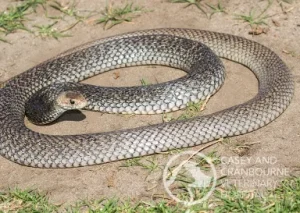
Learn how to protect your pets from snakes with key safety tips and what to do during an encounter.
Learn how feline hyperthyroidism affects cats, common symptoms, diagnosis options, and effective treatments from Melbourne veterinarians.
Essential tips to prevent pet overheating, recognise heat stress signs and keep your animals cool and safe in hot weather.
Death can occur anywhere from 1 to 24 hours after the bite, depending on how much venom was injected, what type of snake it was, where they were bitten, and how big your pet is. The most common cause of death is paralysis of the breathing muscles. This is why we say every minute counts.
Unless you actually saw the snake clearly, identification is challenging. Even snake experts struggle with ID based on appearance alone because of colour variations. We can use venom-detection kits on blood or urine samples to identify the snake type for treatment. Still, we often start treatment based on symptoms rather than waiting for snake identification.
Yes, cats show greater resistance to snake venom and can survive longer without treatment (up to 45 hours, compared to much shorter timeframes in dogs). But “surviving longer” doesn’t mean “surviving well.” Both species need immediate veterinary attention, and delaying treatment means more suffering and often higher long-term costs.
Don’t approach it. Don’t try to catch it. Keep your pets and kids inside and call a licensed snake catcher or Wildlife Victoria. Most snakes will move on if you leave them alone. In the Cranbourne, Casey, Berwick, and Pakenham areas, snake catchers know the local species well and can safely remove them.
This varies a lot depending on severity, how much antivenom is needed, and how long your pet needs to stay in hospital. Antivenom is genuinely expensive to produce, and some cases need multiple vials. What I can tell you is that early treatment is usually more cost-effective than prolonged intensive care, so getting in quickly is both the best medical choice and often the most economical one.
Unfortunately, no. There’s no vaccine available in Australia that prevents snake bite envenomation. Prevention is all about managing your environment and supervising your pets.
No, surviving one snake bite doesn’t provide any immunity. They’re at the same risk as before and need the same preventive measures and immediate treatment if it happens again.
Peak activity is October to February during the warmer months, but we can see snakes year-round during unseasonably warm periods. The Casey, Cardinia, and surrounding regions all have resident snake populations that emerge whenever conditions are right.
Please don’t. Don’t waste time or risk injury trying to catch or kill the snake. Your time is much better spent getting your pet to us immediately. If our clinical assessment and in house blood tests confirms your pet has been bitten by a snake, treatment with the Tiger-Brown Snake Combo antivenom is required, regardless of the type of snake.
You can’t, not reliably. All suspected snake bites should be treated as emergencies requiring immediate veterinary assessment, regardless of what you think the snake was. Better safe than sorry, always.

Contact Info
Opening Hours
Monday to Friday: 8:00am –
7:00pm
Saturday: 8:00am – 3:00pm
Sunday: CLOSED
Closed on public holidays
For all out-of-hours emergencies,
please contact Veterinary Referral Hospital (VRH) on 1300 385 874
or Casey Pet Emergency on (03) 8790 1625.