
Beautiful Flower Toxic to Cats!
June 3, 2025
Dr. Leanne Versteege

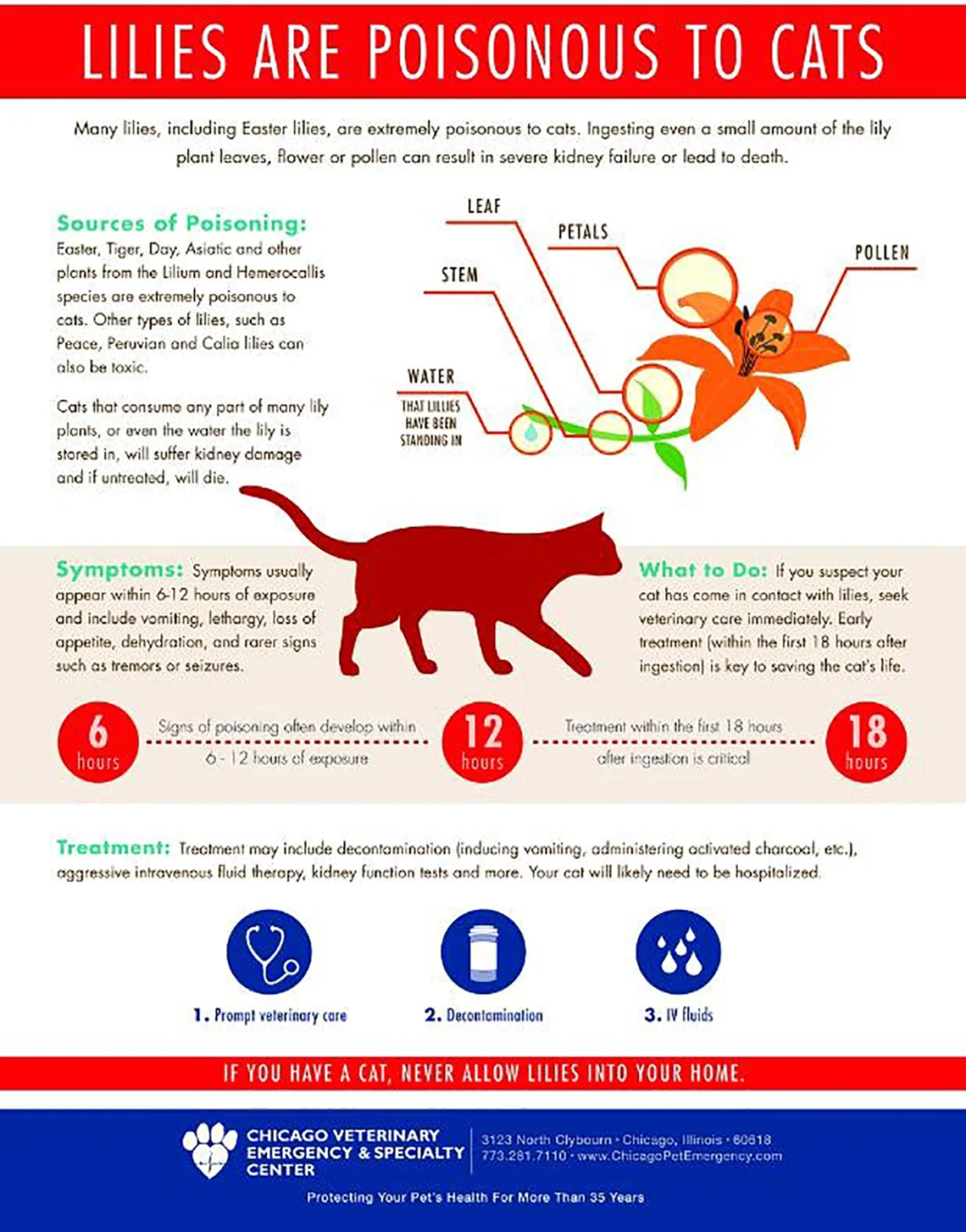
Although lilies are flowers commonly used in floral arrangements, and cats often have access to them, most cat owners and florists are unaware of lily intoxication as a potential cause of kidney (renal) failure in cats.
Indoor cats and especially kittens, may be drawn to floral arrangements, as they are a novel feature in an otherwise very familiar environment that often lacks other forms of vegetation. In the course of investigating the flowers, the cats may play with and sometimes chew parts of the plant. This could easily go unnoticed by owners or may occur while the cat is alone at home. Similarly, cats with access to lilies growing outdoors in domestic gardens may not be observed to contact the plant, so careful questioning regarding the presence of the plant or flowers is always warranted when a vet is investigating kidney failure in cats, especially when it develops suddenly.
The toxic substance in lilies that injures the kidneys has not been identified, but ALL parts of the lily are poisonous – flowers, stamen, stem, leaves and roots. The toxic dose is unknown, but thought to be reached by ingestion of, or mouthing, very small amounts of material.
Cats seem to be unique amongst domestic pets in their susceptibility to this intoxication, possibly due to differences in their metabolism. For the same sort of reason, cats also can be easily poisoned by human medications such as paracetamol, ibuprofen and aspirin, and these too are lethal for cats in doses that would be safe for humans. Interestingly, dogs that consume large amounts of the plant develop only mild gastrointestinal signs, while rats and rabbits show no signs of toxicity at all.
As an ISFM Gold Standard Cat Friendly Clinic, we regularly see emergency feline toxicity cases, including lily exposure. Lily poisoning is one of the most serious and time-critical emergencies we treat in cats. Even brief contact, such as brushing past pollen or licking it off fur, can cause rapid kidney failure. Our team provides same-day emergency care, in-house diagnostics, and intensive fluid therapy for cats across Cranbourne, Clyde, Lynbrook, Seaford and surrounding suburbs.
The first signs of toxicity are vomiting, depression and loss of appetite. The onset is usually within 2 hours and may subside by 12 hours. Although an affected cat is likely to remain depressed, the patient may appear to improve, briefly (with or without symptomatic treatment) as the gastrointestinal signs abate. It is likely, however, that acute renal failure will develop within 24 to 72 hours at which time the cat will become critically ill. At this time the patient may drink much more than usual or become extremely dehydrated. Your vet might feel painful, enlarged kidneys on physical examination at this stage. If untreated, cats die in 3 to 7 days.
Your vet can diagnose the presence of acute renal failure primarily using blood and urine tests. Although there is no specific test that can identify lily intoxication as the cause with certainty, there are characteristic laboratory findings that make the diagnosis likely if supported by evidence of lily ingestion.
The treatment for lily intoxication is intensive, typically involving intravenous fluid therapy and hospitalization for several days.
Unfortunately, acute renal failure due to lily toxicity is often irreversible so by the time cats present with signs of renal failure (usually 3-5 days after lily intoxication) it may be too late regardless of aggressive fluid therapy.
If you suspect your cat has had exposure to lilies, it’s vitally important to bring them to the clinic. Starting fluid therapy within 18 hours of ingestion is critical to saving them.
Lily toxicity is a true veterinary emergency. Early treatment, ideally within 18 hours of exposure, dramatically improves survival. At Casey and Cranbourne Veterinary Hospital, we provide same-day emergency care for feline poisonings, including rapid blood testing, urine analysis, and aggressive intravenous fluid therapy.
Our experienced veterinary team works quickly to support kidney function and monitor response to treatment. If you suspect any exposure to lilies, even without symptoms, contact us immediately. Waiting can cost precious time.
Lily exposure often occurs unintentionally, especially from gifted floral arrangements or garden plants in growing residential areas. We regularly see cases from Cranbourne, Cranbourne West, Clyde, Lynbrook and Seaford, where cats may access indoor flowers or outdoor gardens without owners realising the risk.
Lily toxicity should always be considered in any case of acute renal failure in cats. Ingestion of small amounts of plants or flowers of the Lily family can cause severe, irreversible kidney failure and death in cats within 3 to 7 days of exposure.

If you have a cat, you should never have lilies in the house. If you do receive lilies in a floral arrangement, ensure they are in a location that cats can never reach.
If your cat has been exposed to lilies, or you’re unsure, contact us immediately.
We offer same-day emergency appointments and regularly treat feline poisoning cases across Cranbourne, Clyde, Lynbrook, Seaford and surrounding areas.
Learn how to protect your pets from snakes with key safety tips and what to do during an encounter.
Learn how feline hyperthyroidism affects cats, common symptoms, diagnosis options, and effective treatments from Melbourne veterinarians.

Essential tips to prevent pet overheating, recognise heat stress signs and keep your animals cool and safe in hot weather.
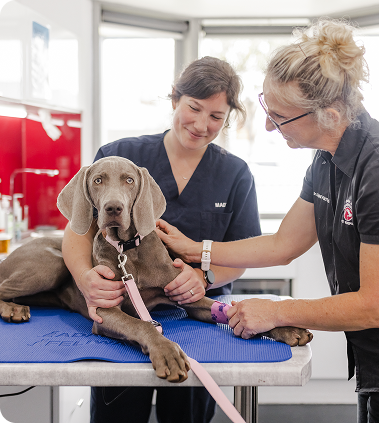
Yes. Even very small amounts of lily pollen or plant material can cause fatal kidney failure in cats. There is no safe exposure level.
Contact a vet immediately. Do not wait for symptoms. Early treatment within hours can be life-saving.
Vomiting and lethargy may appear within 2 hours, but kidney failure usually develops within 24–72 hours.
Yes. We provide same-day emergency care for feline toxicities and regularly treat cats from Cranbourne, Clyde, Lynbrook and surrounding suburbs.
No. All true lilies are toxic to cats. The safest option is to avoid lilies entirely in homes with cats.
Dogs may develop mild stomach upset, but cats are uniquely sensitive and at far greater risk.

Contact Info
Opening Hours
Monday to Friday: 8:00am –
7:00pm
Saturday: 8:00am – 3:00pm
Sunday: CLOSED
Closed on public holidays
For all out-of-hours emergencies,
please contact Veterinary Referral Hospital (VRH) on 1300 385 874
or Casey Pet Emergency on (03) 8790 1625.