
Obesity in Dogs & Cats
July 27, 2025
Dr. Leanne Versteege

At Casey and Cranbourne Veterinary Hospital, we regularly see obesity-related health issues in both dogs and cats across Cranbourne, Clyde, Lynbrook, and surrounding suburbs. Weight gain often happens gradually, which makes it easy to miss, but early intervention can significantly improve comfort, mobility, and long-term health.
Obesity is the most common nutritional disorder in companion animals. It is defined as an excessive accumulation of fat in the body which eventually leads to adverse effects on health and can reduce your pet’s life span. According to 2013 figures from Animal Health Alliance (Australia), 41 per cent of dogs and 32 per cent of cats were overweight or obese.
Obesity can lead to:
At Casey and Cranbourne Veterinary Hospital, we regularly see obesity-related health issues in both dogs and cats across Cranbourne, Clyde, Lynbrook, and surrounding suburbs. Weight gain often happens gradually, which makes it easy to miss, but early intervention can significantly improve comfort, mobility, and long-term health.
Obesity is usually the result of either excessive dietary intake or inadequate energy utilization which causes a state of positive energy balance. Numerous factors may predispose an individual to obesity including genetics, the amount of physical activity, and the energy content of the diet.
Very rarely, certain hormone diseases can also lead to obesity.
It is important that your pet has a healthy, active lifestyle and is fed strictly controlled portions to prevent your pet from becoming overweight and obese
Ideally, if your pet is a healthy weight you should be able to feel their ribs through a small fat layer.
If you cannot feel your pet’s ribs or if they have lost their waist line, they are overweight.
Weight loss is vital to the overall health of your overweight or obese pet.
Below are three important factors to guide you in helping your pet lose weight.
Weight management is a core part of our preventative care approach. During routine health checks, we assess body condition, weight trends, and lifestyle factors to identify early weight gain before it becomes a health issue.
Our experienced veterinary team regularly supports weight loss in dogs and cats with realistic, sustainable plans rather than extreme dieting. For many pets, small, consistent changes guided by professional advice make the biggest difference over time.
Weight management is a core part of our preventative care approach. During routine health checks, we assess body condition, weight trends, and lifestyle factors to identify early weight gain before it becomes a health issue.
Our experienced veterinary team regularly supports weight loss in dogs and cats with realistic, sustainable plans rather than extreme dieting. For many pets, small, consistent changes guided by professional advice make the biggest difference over time.
Avoid feeding your pet high-calorie table scraps and frequent feeding of dog biscuits and treats. It may be surprising to know that bones have a very high calorie content due to the amount of fat they contain, especially in the marrow.
Do not encourage or allow begging during meal times. This can be achieved by keeping your pet out of the kitchen during meal time preparation and gradually decreasing the amount of treats given. You can also substitute treats with attention, cuddles and play instead.
Ensuring your pet is fed at the same time each day develops a good routine and can also aid in reducing or stopping the begging behaviour.
Increased activity contributes to energy use that is necessary for weight loss.
Always start with slow and low intensity of exercise especially if your pet is used to a sedentary lifestyle.
As a general guide, 10 minute walks every day or every second day is a good start which should eventually lead to increased time and frequency.
Walking, running, playing fetch and other games are recommended forms of exercise, though ensure to start slowly.
For cats, its harder to establish an exercise routine unless you have trained them to go for a walk whilst wearing a harness. An effective and interactive way for cats to play and exercise is to use a laser pointer or other cat friendly toys for them to chase around the lounge room.
Weight management in cats requires a different approach. As an ISFM Gold Standard Cat Friendly Clinic, we understand how stress, feeding patterns and environment affect feline weight. We focus on gradual changes, enrichment-based activity, and realistic feeding strategies that suit indoor cats – helping reduce stress while supporting safe, steady weight loss.
The aim of dietary management is a restricted calorie diet.
At CCVH, we can tailor a weight loss program specific to your pet to help them reach their optimal weight.
Firstly, we weigh your pet and set a goal for weight loss.
Then we calculate your pet’s caloric requirement for maintenance of body weight.
For weight loss, we recommend a diet that provides 30-40 per cent less calories than whats needed for maintenance of body weight.
We do not recommend severely restricting calories as this can cause a rebound in your pet’s weight due to the effects of severe calorie restriction on the body’s metabolic rate.
It is important to feed a well-balanced diet such as commercial pet foods that are formulated to contain adequate amounts of protein, fat, vitamins and minerals. You can obtain prescription commercial diets that are aimed at weight loss. These contain fewer calories as they are lower in fat and higher in digestible fibre and carbohydrates.
Alternatively, you may trial reducing the amount of food in your pet’s current diet. Reduce the amounts provided in each meal by one-third, and supplement with low calorie fibrous foods such as pumpkin or carrot.
If you feel the need to feed the odd treat, most dogs and cats like pieces of carrot or broccoli stalks which are low in calories.
If you have any concerns about your pet’s weight, please don’t hesitate to contact the clinic on 59962329. We are happy for you to bring your pet for a weigh in at any time and our friendly vets and nurses are here to help tailor a weight loss program specific to your pet
If you’re concerned about your pet’s weight, we’re here to help. We regularly support dogs and cats from Cranbourne, Clyde, Lynbrook, and surrounding suburbs with practical, judgment-free weight-management advice. Contact us to book a health check or weight assessment. Same-day appointments are often available.
Learn how to protect your pets from snakes with key safety tips and what to do during an encounter.
Learn how feline hyperthyroidism affects cats, common symptoms, diagnosis options, and effective treatments from Melbourne veterinarians.

Essential tips to prevent pet overheating, recognise heat stress signs and keep your animals cool and safe in hot weather.
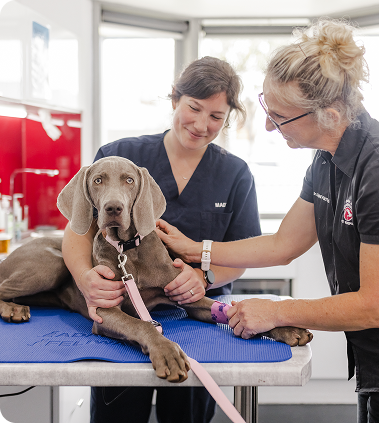
If you can’t easily feel your pet’s ribs or they’ve lost a visible waistline, they may be overweight. Our vets can assess body condition during routine health checks.
Yes. We regularly support weight management for pets from Cranbourne, Clyde, Lynbrook and surrounding suburbs through tailored diet and lifestyle plans.
Yes. Excess weight increases the risk of diabetes, joint disease, heart strain, anaesthetic complications and reduced quality of life.
We use a gradual, stress-minimised approach that considers feeding habits, enrichment and routine, particularly important for indoor cats.
Some complications linked to obesity may be covered, depending on your policy. We’re happy to help with documentation and GAP claims where applicable.
Yes. We regularly help pets from Cranbourne, Clyde, Lynbrook, Seaford and nearby areas manage weight safely and sustainably.

Contact Info
Opening Hours
Monday to Friday: 8:00am –
7:00pm
Saturday: 8:00am – 3:00pm
Sunday: CLOSED
Closed on public holidays
For all out-of-hours emergencies,
please contact Veterinary Referral Hospital (VRH) on 1300 385 874
or Casey Pet Emergency on (03) 8790 1625.