
What is Gum Disease?
February 10, 2026
Dr. Leanne Versteege
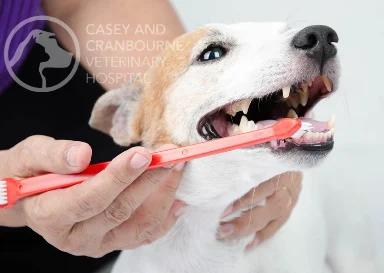
Gum disease (also called periodontal disease) is one of the most common and most under-recognised health issues affecting pets. In fact, more than 80% of dogs and 70% of cats over the age of three have some degree of dental disease, often without obvious signs at first.
Gum disease begins with plaque, a sticky mix of bacteria, food particles, and saliva that builds up on the teeth and along the gum line. If not removed, plaque hardens into tartar, allowing bacteria to spread beneath the gums. Over time, this causes inflammation, pain, gum recession, loose teeth, and irreversible damage to the supporting bone.
At Casey and Cranbourne Veterinary Hospital, we regularly diagnose and treat dental disease in pets from Cranbourne, Clyde, Lynbrook, Seaford and surrounding suburbs, often before owners realise there’s a problem.
Dental disease doesn’t stop at bad breath.
When gums are inflamed or bleeding, bacteria can enter the bloodstream and travel to other organs. This increases the risk of secondary problems affecting the heart, kidneys, liver, joints and immune system, particularly in older pets or those with underlying health conditions.
Left untreated, gum disease can significantly reduce your pet’s comfort, appetite, and quality of life.
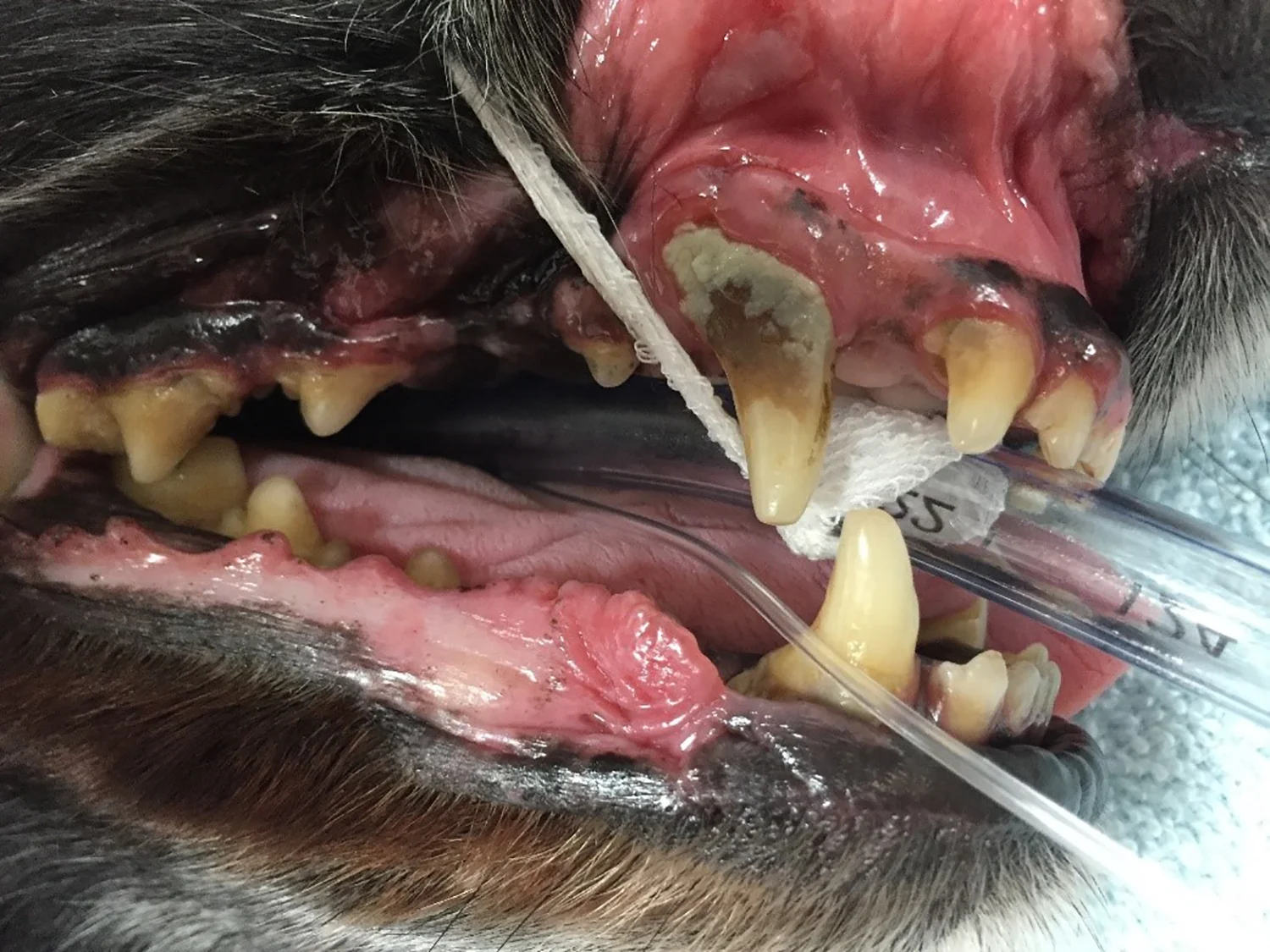
Some pets hide dental pain very well. Common signs include:
Persistent bad breath
If you notice any of these signs, early assessment can prevent more advanced disease.
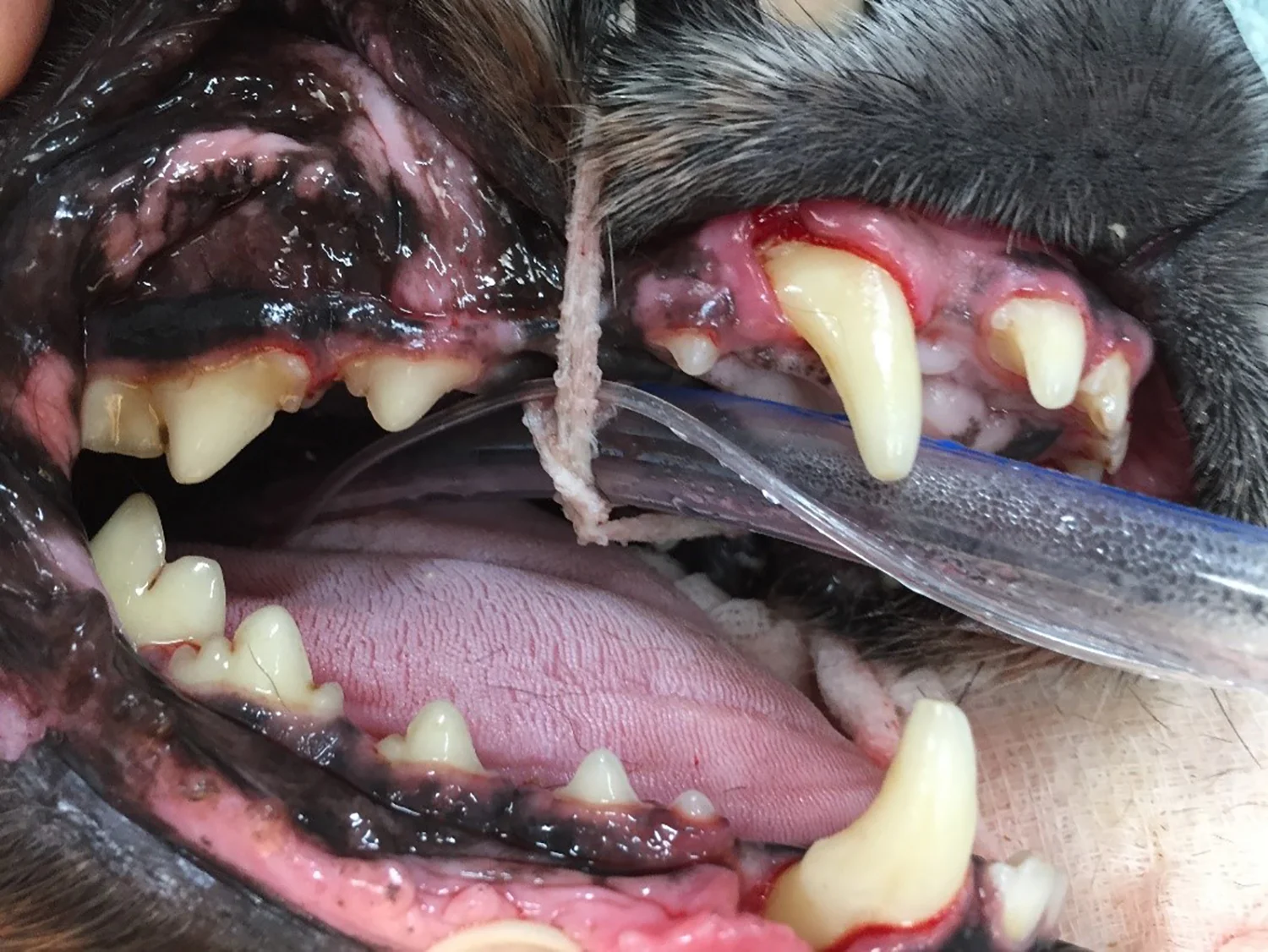
Daily care makes a real difference – especially when started early.
Helpful preventative measures include:
Not all pets tolerate brushing, and home care alone isn’t always enough, particularly once tartar has formed beneath the gum line.
When dental disease has progressed beyond what home care can manage, a dental scale and polish under general anaesthesia is recommended.
At our clinic, dental procedures include:
We recommend pre-anaesthetic blood testing to assess liver and kidney health, and intravenous fluids during the procedure to support circulation and recovery.
Many dental cases can be managed in-house by our experienced team without referral, including more advanced dental disease.
Some pets require more than routine dental cleaning.
We provide advanced dentistry for dogs and cats, including treatment of severe gum disease, extractions involving roots or bone loss, and pain-controlled procedures using modern dental techniques. Our goal is always to restore comfort, function, and long-term oral health without unnecessary intervention.
If your pet has bad breath, visible tartar, or changes in eating behaviour, early assessment can prevent pain and tooth loss.
Contact Casey and Cranbourne Veterinary Hospital to book a dental check.
We offer experienced, thorough dental care with modern facilities and a calm, supportive approach.
Same-day appointments may be available if you’re concerned.
Learn how to protect your pets from snakes with key safety tips and what to do during an encounter.
Learn how feline hyperthyroidism affects cats, common symptoms, diagnosis options, and effective treatments from Melbourne veterinarians.

Essential tips to prevent pet overheating, recognise heat stress signs and keep your animals cool and safe in hot weather.
Bad breath is often the first sign, but dental disease can also cause subtle changes like slower eating, dropping food, or behavioural shifts. A veterinary dental exam is the only reliable way to assess severity.
We recommend dental assessments at least once a year, often during routine health checks or vaccinations. Some breeds and older pets may need more frequent monitoring.
Yes. We provide both routine and advanced dental care, including complex extractions and pain-managed dentistry, performed by experienced vets using specialised equipment.
Age alone isn’t a reason to avoid dental treatment. Pre-anaesthetic blood tests and careful monitoring allow us to tailor anaesthesia safely for senior pets.
Early intervention makes prevention much easier. Regular dental care, appropriate diets, and routine checks can slow or prevent progression in many pets.
Yes. We regularly treat dogs and cats from Cranbourne, Clyde, Lynbrook, Seaford, Cranbourne West and Devon Meadows for dental disease.

Contact Info
Opening Hours
Monday to Friday: 8:00am –
7:00pm
Saturday: 8:00am – 3:00pm
Sunday: CLOSED
Closed on public holidays
For all out-of-hours emergencies,
please contact Veterinary Referral Hospital (VRH) on 1300 385 874
or Casey Pet Emergency on (03) 8790 1625.