
WARNING: Pets vs Snakes
February 12, 2025
Dr. Leanne Versteege
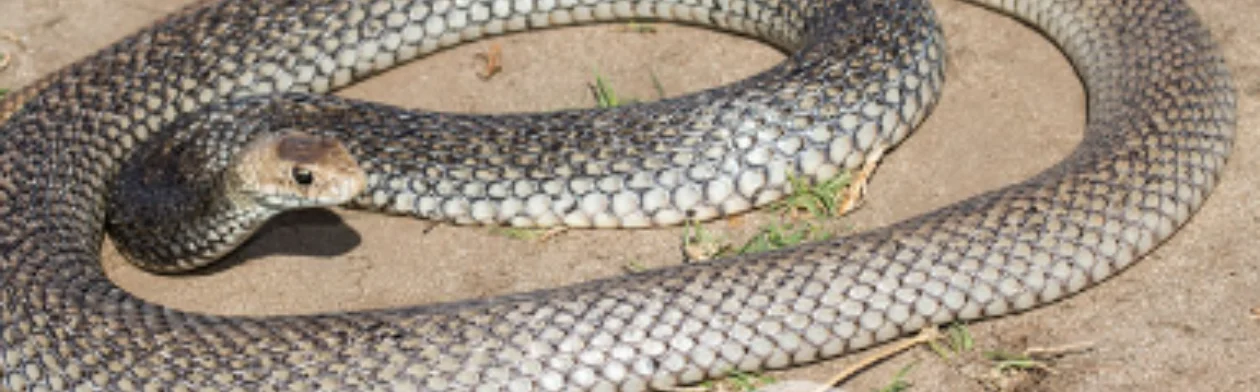
Snake bite is a genuine medical emergency and requires immediate veterinary care. At Casey and Cranbourne Veterinary Hospital, we provide same-day emergency treatment for snake bites, including antivenom administration, intensive monitoring, and supportive care. With in-house blood testing, we can quickly confirm a snake bite and guide treatment decisions without delay. Our experienced team regularly manages snakebite cases, where acting swiftly can be lifesaving.
Living in Melbourne’s outer suburbs often means closer contact with bushland, reserves, and semi-rural areas. Snake encounters are more common in warmer months, particularly for dogs in areas like Cranbourne West, Botanic Ridge and Devon Meadows, or properties backing onto open land. Even brief exposure can be dangerous, which is why prompt veterinary assessment is critical if a bite is suspected.
In the warmer summer months, snakes become much more active. It is crucial that we are careful to safeguard our pets from snake bites and watch out for the warning signs that will indicate if our pets have been bitten. Armed with curiosity and natural hunting instincts, it’s not uncommon for our favourite four legged friends to attempt to chase or kill snakes, putting themselves at risk of being bitten
Snakes are attracted to food and water sources and safe, quiet places to hide. To make your backyard less appealing to snakes, keep the grass cut low and your property clear of piles of rubbish and other objects where snakes may be able to hide (e.g., wood piles).
There are no specific methods of training to teach your pets not to chase snakes so the best form of protection is to keep your animals away from them. If snakes are common in your area you could consider building a snake-proof fence around all or part of your property. To ensure your cat’s safety, keep it indoors with access to a snake-proof outdoor enclosure. If you are walking your dog close to bushland, especially near water during the summer months, you should keep your dog on a lead and avoid long grassy areas.
The sort of reaction your pet has to a snake bite is determined by the type of snake, the amount of venom injected and the site of the snake bite. Generally, the closer the bite is to the heart the quicker the venom spreads to the rest of the body. In addition, at the beginning of summer, snakes’ venom glands are fuller and their bites more severe.
The tiger and brown snake are responsible for most of the snake bites in domestic pets and can be fatal.
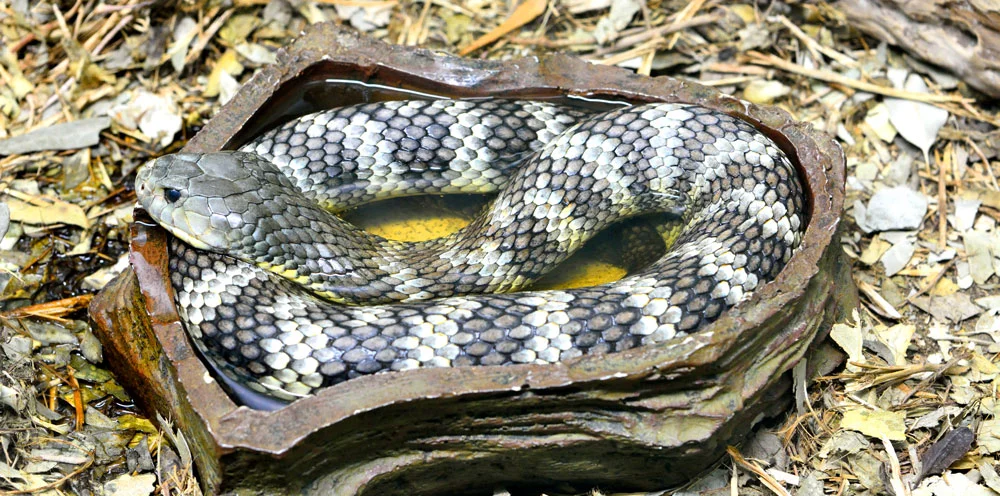
Signs of a snake bite include:
If you think your pet has been bitten by a snake, keep them as calm and quiet as possible and bring them in to the clinic immediately. The chance of recovery is much greater if treated early.
At Casey and Cranbourne Veterinary Hospital, we stock multiple vials of the combined tiger-brown snake anti-venom. Depending on the amount of venom injected, the location of the bite and response to treatment, some pets need more than one vial of anti-venom to survive
While snake encounters can’t always be prevented, simple steps can reduce risk. Keeping yards tidy, avoiding long grass, supervising dogs outdoors, and using leads near bushland during warmer months can help. Snake avoidance training may also be helpful for some dogs.
Most importantly, knowing the signs of snake bite and acting quickly makes a real difference – early treatment significantly improves outcomes.
If you see a snake on your property do not try to catch or kill it. Most snakes in Victoria are venomous and will strike if provoked. Walk away from the snake slowly and keep an eye on it from a safe distance (several metres away).
Keep pets well away from the snake, and do not attempt to handle it. If the snake is indoors, isolate it in one room by closing doors and blocking gaps with towels. Contact a licensed snake catcher immediately through local council or DEECA resources.
If you suspect a snake has bitten your dog, don’t wait. Contact Casey and Cranbourne Veterinary Hospital immediately – we provide same-day emergency care and regularly treat snake bite cases. We see patients from Cranbourne, Clyde, Lynbrook, Seaford, Skye, Devon Meadows and surrounding suburbs. Call us or book online as soon as possible.
Learn how feline hyperthyroidism affects cats, common symptoms, diagnosis options, and effective treatments from Melbourne veterinarians.

Essential tips to prevent pet overheating, recognise heat stress signs and keep your animals cool and safe in hot weather.
Leptospirosis is a potentially life-threatening bacterial disease that affects dogs and can also pose risks to humans.
Seek veterinary care immediately. Do not wait for symptoms to appear. Keep your dog calm, restrict movement, and contact us straight away. Early treatment is critical
Symptoms can appear within minutes or may be delayed for several hours. Weakness, collapse, trembling, vomiting, or sudden lethargy are all concerning sign
Yes. We carry antivenom and can administer it on the same day when indicated, alongside intensive monitoring and supportive care.
Yes. We regularly see snakebite cases from Cranbourne, Cranbourne West, Botanic Ridge, Devon Meadows, Skye, and surrounding areas, particularly during warmer months.
In many cases, we can manage snake bite treatment in-house. If referral is needed, we coordinate care and remain involved throughout.
Snake activity increases during spring and summer, especially on warm days following rain.

Contact Info
Opening Hours
Monday to Friday: 8:00am –
7:00pm
Saturday: 8:00am – 3:00pm
Sunday: CLOSED
Closed on public holidays
For all out-of-hours emergencies,
please contact Veterinary Referral Hospital (VRH) on 1300 385 874
or Casey Pet Emergency on (03) 8790 1625.