
RABBITS: Handy Hints & Tips
July 14, 2025
Dr. Leanne Versteege
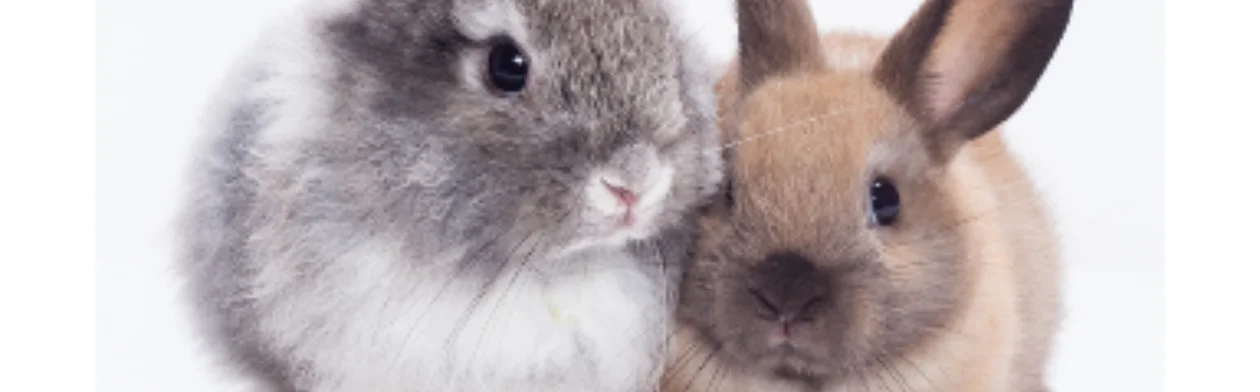
Rabbits are intelligent, social animals with very specific dietary and health needs. At Casey and Cranbourne Veterinary Hospital, we regularly care for pet rabbits from Cranbourne, Clyde, Lynbrook, Seaford and surrounding suburbs from routine health checks through to advanced dental and surgical care.
One of the most common reasons rabbits become unwell is diet-related disease, particularly dental problems and gut stasis. Understanding what rabbits should eat (and what they shouldn’t) is one of the most important steps you can take to keep your rabbit healthy long-term.
Rabbits are hindgut fermenting herbivores, meaning their digestive system is designed to process large volumes of high-fibre plant material. Their natural diet consists primarily of grasses and leafy vegetation, which helps keep both their gut and teeth functioning properly.
A key part of rabbit digestion is caecotrophy, the production and re-ingestion of specialised “night droppings” called caecotrophy. These are rich in essential vitamins and amino acids and are normally eaten directly from the anus, usually at dawn or dusk.
When diet balance is poor, caecotrophy can fail, leading to:
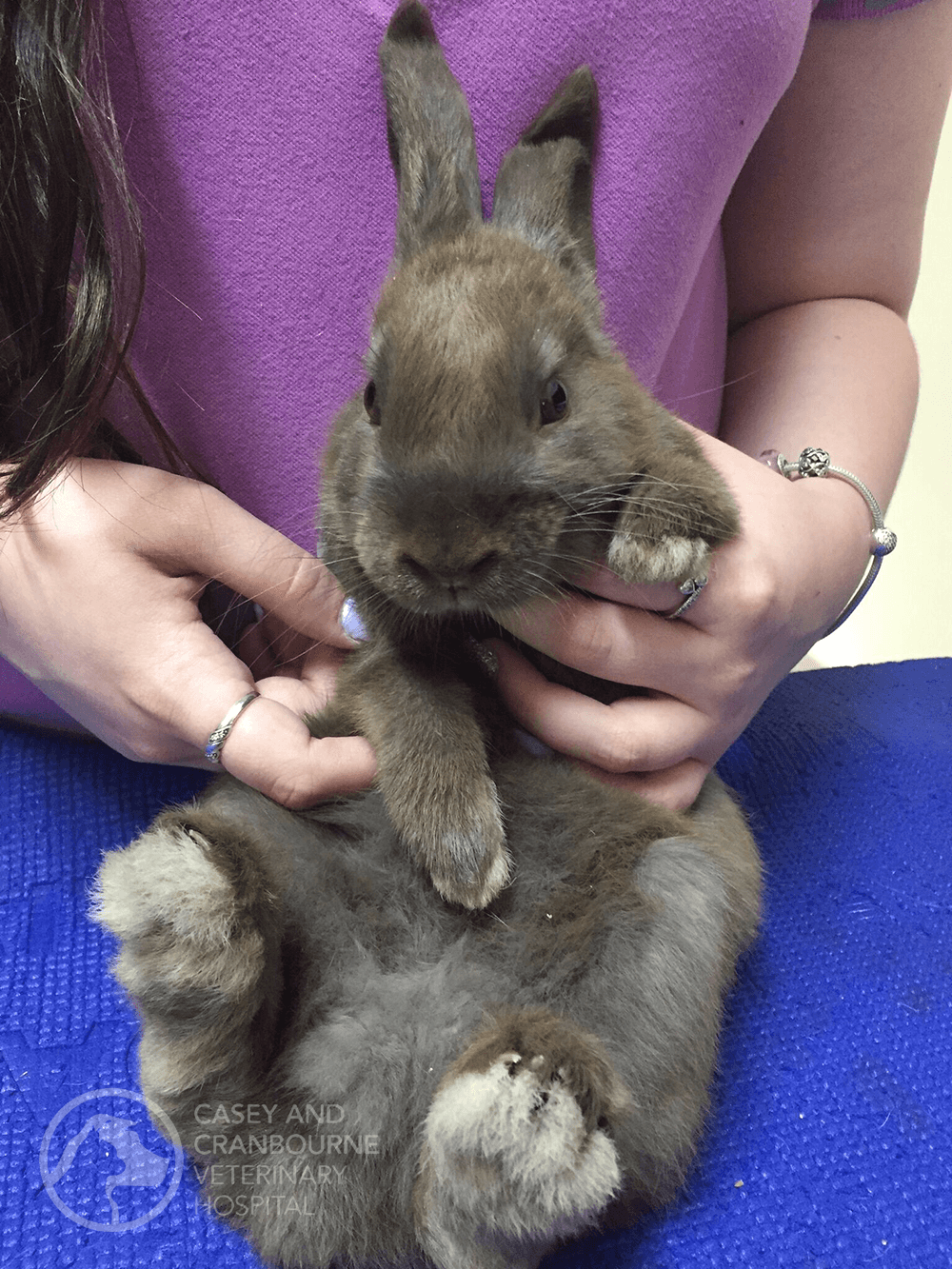
Rabbit teeth grow continuously at a rate of 2–3 mm per week. Without enough fibre to naturally wear them down, rabbits can develop:
Reduced appetite and weight loss
Dental disease in rabbits often develops quietly and progresses quickly. We frequently see rabbits presented only once they’ve stopped eating, which is already an emergency.
Hay is the single most important food for dental and gut health.
| Food Category |
Percentage of Diet |
Notes |
| Hay | 80–90% | Unlimited access. Essential for digestion and dental wear. |
| Leafy greens & vegetables | 10–15% | Variety is key. Introduce gradually. |
| Pellets (high fibre) | <5% | Limit to approx. 1 tablespoon per rabbit per day. |
| Fruit | Treat only | High sugar. Small amounts only. |
| Human food | 0% | Not suitable for rabbits. |
Rabbits can be surprisingly fussy. Good hay should:
Low-quality hay is a common cause of dental and digestive problems.
| Vegetable | Notes |
| Artichoke leaves | |
| Asparagus | |
| Baby sweetcorn | Avoid full-size corn |
| Beetroot leaves | Limit – high oxalates |
| Broccoli (incl. leaves) | Can cause gas – limit |
| Brussels sprouts | Limit |
| Cabbage | Can upset digestion |
| Carrot tops | Root is high sugar |
| Cauliflower (incl. leaves) | |
| Celeriac | |
| Celery leaves | |
| Chicory | |
| Cucumber | |
| Curly kale | |
| Fennel | |
| Green beans | |
| Kohlrabi | |
| Peas (pods & leaves) | |
| Peppers (red/green/yellow) | |
| Pumpkin | |
| Rocket | |
| Romaine lettuce | Not iceberg |
| Spinach | Occasional only |
| Spring greens | |
| Squash (e.g. butternut) | |
| Turnip | Occasional |
| Watercress | |
| Zucchini (incl. flowers) |
| Fruits (Treats only) |
Notes |
| Apple | No seeds |
| Apricot | High potassium |
| Banana | Leaves also safe |
| Blackberries | |
| Blueberries | |
| Cherries | No pits |
| Grapes | Small amounts only |
| Kiwi fruit | |
| Melon | |
| Nectarines | |
| Papaya | |
| Peaches | No pits |
| Pears | |
| Pineapple | |
| Plums | |
| Raspberries | Leaves safe |
| Strawberries | Leaves safe |
| Tomato | Fruit only — no leaves |
| Herbs Safe for Rabbits |
Notes |
| Basil | |
| Coriander | |
| Dill | |
| Mint | Peppermint preferred |
| Parsley | Limit – high calcium |
| Oregano | |
| Rosemary | |
| Sage | |
| Thyme |
| Garden Plants Rabbits Can Eat (With Caution) |
Notes |
| Borage | |
| Calendula | |
| Camomile | |
| Chickweed | Astringent |
| Clover | Leaves & flowers |
| Coltsfoot | |
| Comfrey | |
| Dandelion | Diuretic |
| Goosegrass | Can stick to fur |
| Lavender | |
| Mallow | |
| Nettle | |
| Nasturtium | Leaves & flowers |
| Plantain | |
| Shepherd’s purse | |
| Sow thistle | |
| Yarrow |
Rabbits have delicate digestive systems. Foods to avoid include:
| Food | Reason |
| Iceberg lettuce | Causes diarrhoea |
| Onion & garlic | Toxic |
| Potatoes | Not digestible |
| Rhubarb | Toxic |
| Tomato plants | Toxic |
| Spicy foods | Unsafe |
| Bread | No nutritional value |
| Dairy | Rabbits can’t digest |
| Chocolate | Toxic |
| Seeds & nuts | High fat |
| Processed foods | Unsafe |
| Meat or fish | Herbivores only |
Many supermarket rabbit foods are too high in fat and sugar and contribute to obesity, gut problems, and dental disease.
Some plants are highly toxic to rabbits, especially bulb plants and ornamentals. If your rabbit has access to the garden, plant identification is essential.
|
Poisonous |
| Amaryllis |
| Arum lily |
| Bindweed |
| Bracken |
| Bryony |
| Buttercup |
| Deadly nightshade |
| Delphinium |
| Elder |
| Foxglove |
| Hellebores |
| Hemlock |
| Lily of the valley |
| Lupin |
| Laburnum |
| Oak leaves |
| Poppies |
| Privet |
| Ragwort |
| Rhubarb leaves |
| Yew |
If ingestion is suspected, urgent veterinary assessment is required.
We routinely treat rabbits at our Cranbourne clinic, not just emergencies.
Our team provides:
Dr Leanne Versteege has extensive experience in rabbit and guinea pig medicine, including advanced dental work that many clinics refer elsewhere.
Early intervention significantly improves rabbit outcomes.
Contact us promptly if your rabbit:
Rabbits hide illness well – waiting can be dangerous.
If you have questions about rabbit feeding, behaviour, or health or if your rabbit isn’t eating normally, contact our team.
We provide experienced rabbit care with a calm, practical approach and see rabbits from Cranbourne, Clyde, Lynbrook, Seaford and surrounding areas.
Call us or book online for an appointment.
Learn how to protect your pets from snakes with key safety tips and what to do during an encounter.
Learn how feline hyperthyroidism affects cats, common symptoms, diagnosis options, and effective treatments from Melbourne veterinarians.

Essential tips to prevent pet overheating, recognise heat stress signs and keep your animals cool and safe in hot weather.
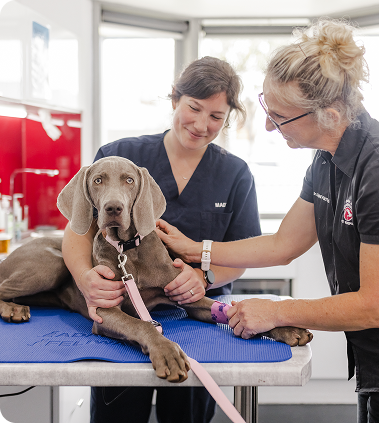
Yes. We routinely see rabbits from Cranbourne, Clyde, Lynbrook and Seaford for health checks, dental care, desexing and medical treatment
This is an emergency. Rabbits can develop life-threatening gut stasis quickly and should be seen the same day.
Yes. We perform rabbit dental examinations and procedures, including treatment for overgrown teeth and dental disease.
Yes. We vaccinate rabbits against Rabbit Haemorrhagic Disease Virus (RHDV) using Filavac.
Yes. We have vets experienced in desexing rabbits and other pocket pets.
In many cases, no. We manage a wide range of rabbit conditions in-house.

Contact Info
Opening Hours
Monday to Friday: 8:00am –
7:00pm
Saturday: 8:00am – 3:00pm
Sunday: CLOSED
Closed on public holidays
For all out-of-hours emergencies,
please contact Veterinary Referral Hospital (VRH) on 1300 385 874
or Casey Pet Emergency on (03) 8790 1625.