
The Story of Soul:
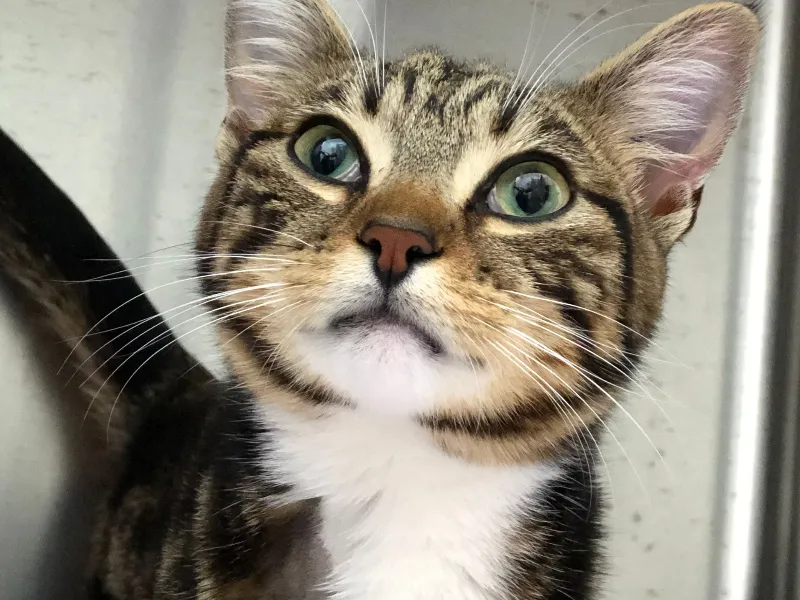
When a Curious Kitten Encountered a Hidden Danger
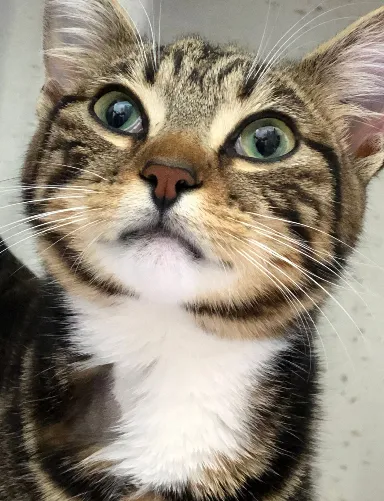
Soul was just six months old when his owners noticed something wasn’t right. He was flat, cold to touch, barely moving, and not interested in food or water. What looked vague at home became very serious, very quickly.
Soul was rushed to Casey & Cranbourne Veterinary Hospital, where early examination and blood tests revealed acute kidney failure – a life-threatening condition, especially in a kitten. With careful questioning, a small but critical detail emerged: antifreeze had recently been spilled in the driveway while a car was being worked on.
For cats, even a tiny exposure to ethylene glycol (antifreeze) can be catastrophic.
Emergency Care for Antifreeze Poisoning in Cats
Soul was admitted immediately for intensive treatment and monitoring. He was severely dehydrated, hypothermic, and producing almost no urine – a worrying sign that his kidneys were struggling to function.
He was started on intravenous fluids at a carefully controlled rate, with his urine output monitored around the clock. Our vets and nursing team worked closely across shifts to ensure continuity of care, adjusting treatment based on how Soul responded hour by hour.
By later that day, there was a small but important turning point: Soul began producing urine. It was the sign everyone had been hoping for.
Toxicity in Cats: What We Can Learn from Soul’s Story
Antifreeze toxicity is uncommon, but when it does occur, it’s one of the most dangerous exposures a cat can face. Cats don’t need to drink antifreeze for it to cause harm – walking through a spill and later grooming their paws can be enough to trigger sudden kidney failure.
Soul’s recovery came down to two things: his owner acting quickly, and several days of close, intensive care once he arrived at the hospital. Many cats aren’t given that chance simply because the exposure isn’t seen or the signs are subtle at first.
This case is a reminder that everyday garage and household products can carry serious risks for curious cats, especially kittens. Cleaning up spills promptly, keeping pets away from work areas, and seeking veterinary advice early if a cat becomes lethargic, stops eating, or seems “not quite right” can make a real difference. In cases like these, timing truly matters.
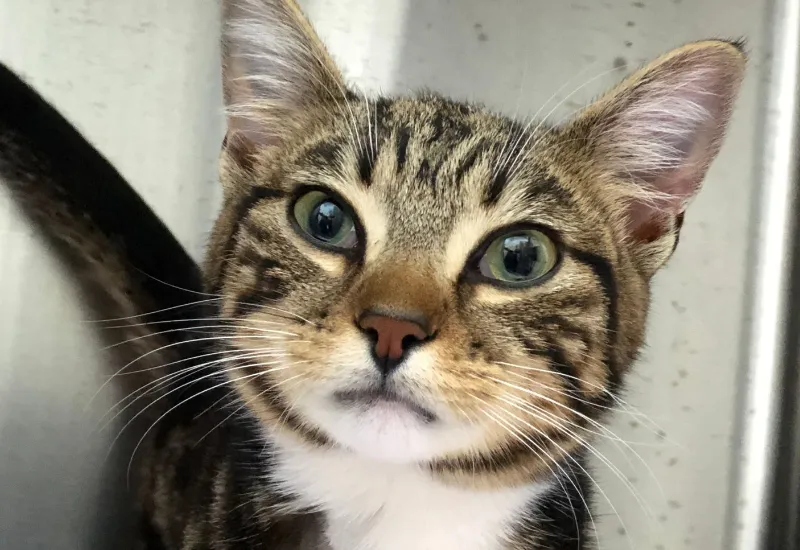
A Steady Recovery, One Day at a Time
Soul remained hospitalised for six days while his kidney values steadily improved. Repeat blood tests showed a dramatic turnaround – from values that were initially off the scale to numbers back within normal range.
By the time he went home, Soul was eating, drinking, and behaving like himself again. A follow-up visit one week later confirmed the best possible outcome: no permanent kidney damage.
Before long, he was back to being a cheeky, healthy kitten.
Poisoning in Cats: Thinking about your own pet?
If your cat or dog has been exposed to a toxin, or you’re not sure but something feels off, don’t wait and see. Early treatment can be the difference between recovery and irreversible damage.
Contact Casey & Cranbourne Veterinary Hospital straight away if you’re worried. Our team is here to help.
Our Services
Trusted Veterinary Services All Under One Roof
Your pet’s care is supported by a highly experienced team who provide everything from routine check ups and preventative care, to advanced diagnostics, surgery and dentistry. We take a careful, thorough approach to every case and keep you informed at each step, so your pet receives reliable, compassionate care throughout their life.
Whether your pet needs everyday health support, or help with a more complex condition, our team work together to provide clear answers and thoughtful treatment in a calm, modern hospital.


PET EDUCATION AND RESOURCES
Practical advice and real case stories to support your pet’s care.
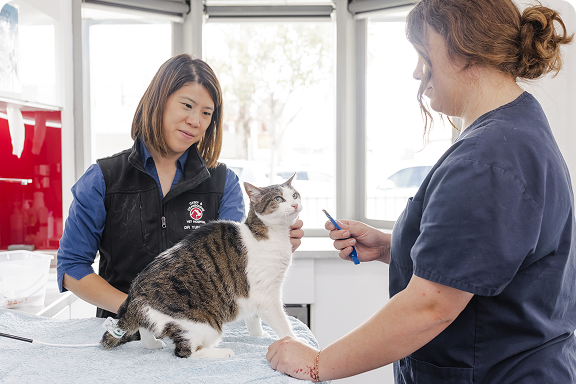
Pet Care Articles
Helpful tips and expert guidance to support your pet’s health and everyday well-being.
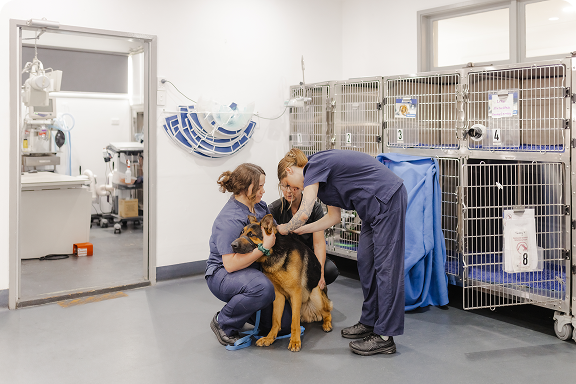
Real Life Case Studies
Real stories from our veterinary team showing how we diagnose, treat and support pets through illness and recovery.

Quick Answers to Common Questions
What foods are toxic to cats?
Common toxic foods for cats include onions, garlic, chocolate, grapes, raisins, alcohol, and xylitol. Even small amounts can cause serious illness, so it’s best to keep human food out of reach.
What household chemicals are dangerous for cats?
Antifreeze, cleaning products, pesticides, rodenticides, and some essential oils are highly toxic to cats. Cats can be exposed by licking surfaces or their paws, not just by ingestion.
What symptoms suggest poisoning in cats?
Lethargy, vomiting, drooling, loss of appetite, wobbliness, excessive thirst, reduced urination, or sudden behavioural changes can all be warning signs. If something feels wrong, trust that instinct.
What should I do if I think my cat has been poisoned?
Seek veterinary care immediately. Do not try to induce vomiting or give home remedies unless instructed by a vet. Time-critical treatment can save lives.
Do you treat poisoning cases in Cranbourne and surrounding suburbs?
Yes. We regularly manage pet poisoning emergencies for families in Cranbourne, Cranbourne West, Clyde, Botanic Ridge, Devon Meadows and surrounding areas. If you’re nearby and concerned, contact us straight away.
What household chemicals are dangerous for cats?
Antifreeze, cleaning products, pesticides, rodenticides, and some essential oils are highly toxic to cats. Exposure can occur not only through ingestion, but also by cats walking through spills and later grooming their paws.
Book your pet’s appointment
today with our experienced, caring team.

Newsletter sign up
Contact Info
Opening Hours
Monday to Friday: 8:00am –
7:00pm
Saturday: 8:00am – 3:00pm
Sunday: CLOSED
Closed on public holidays
For all out-of-hours emergencies,
please contact Veterinary Referral Hospital (VRH) on 1300 385 874
or Casey Pet Emergency on (03) 8790 1625.