
Seri the Brave Pug:
When Urinary Changes Need Attention
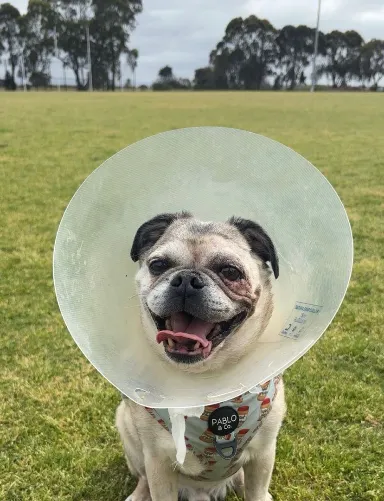
Seri was brought into Casey and Cranbourne Veterinary Hospital after her owner noticed blood in her urine and straining to urinate. For any dog, these signs are concerning, but in pugs and other brachycephalic breeds, careful assessment and planning are even more important.
Seri had a history of urinary tract infections, which raised early concern for bladder stones. On examination, large, firm stones were palpable in her bladder, and she was clearly uncomfortable. Diagnostic testing began immediately to understand exactly what was going on and what Seri would need next.
Dog Bladder Stones Detected with Careful Diagnostics
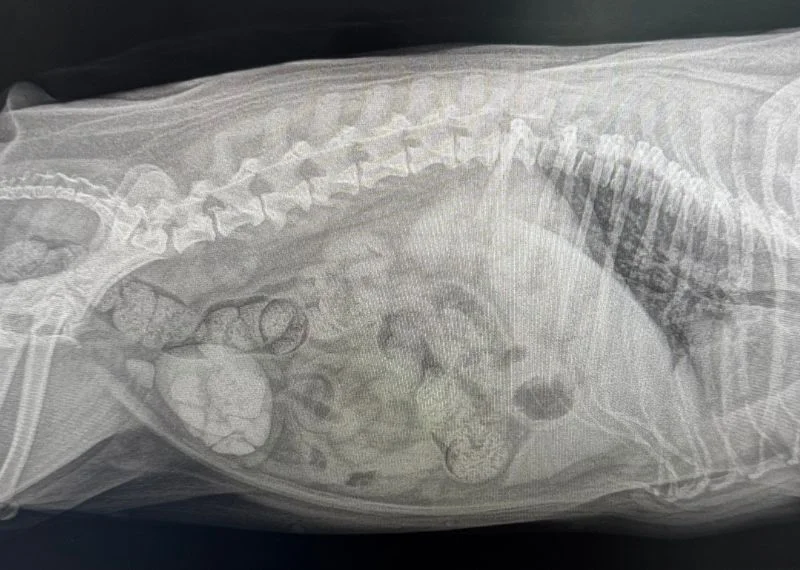
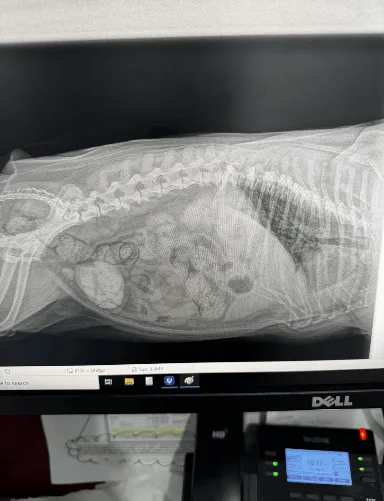
Urinalysis confirmed significant inflammation and infection, with crystals present. X-rays showed multiple bladder stones – some small, and some very large. With this information, the diagnosis was clear: multiple bladder stones (urolithiasis) alongside a urinary tract infection.
At this point, surgery was recommended. The aim wasn’t just to relieve Seri’s pain, but to remove every stone safely and reduce the risk of future complications. For brachycephalic dogs like Seri, surgical and recovery planning is always approached with extra care.
Brachycephalic Dog Surgery: Breed Considerations
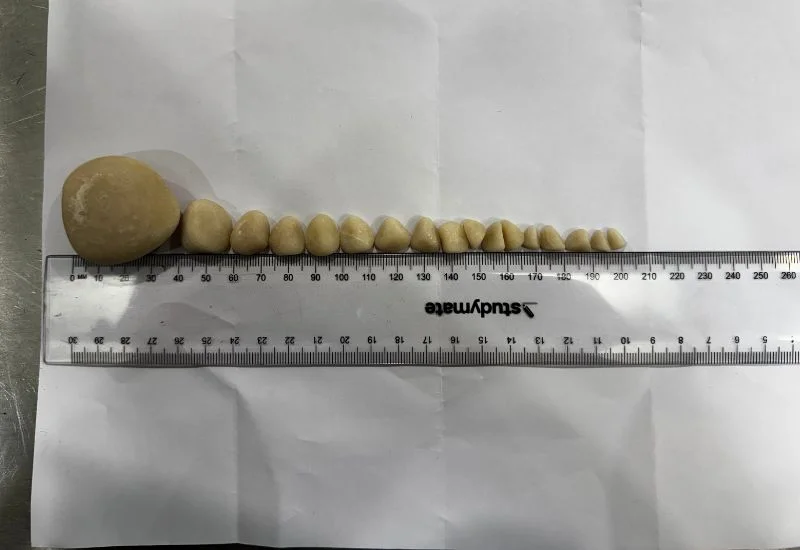
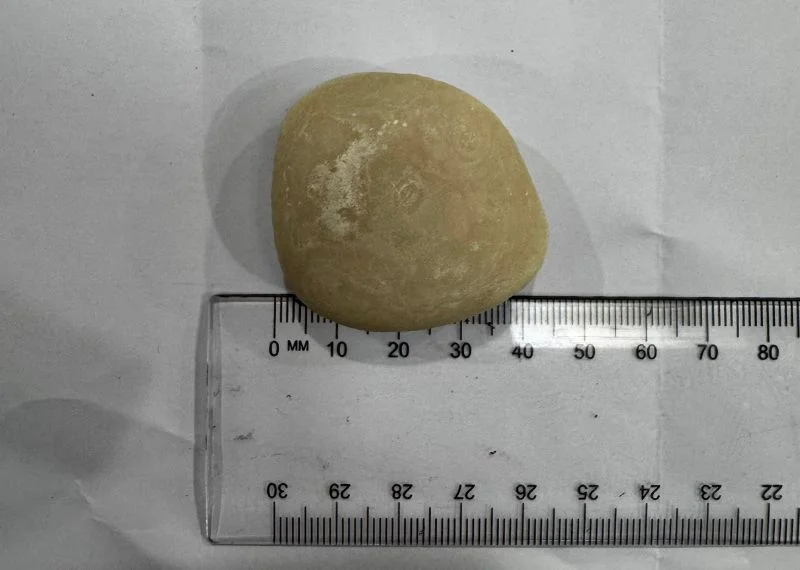
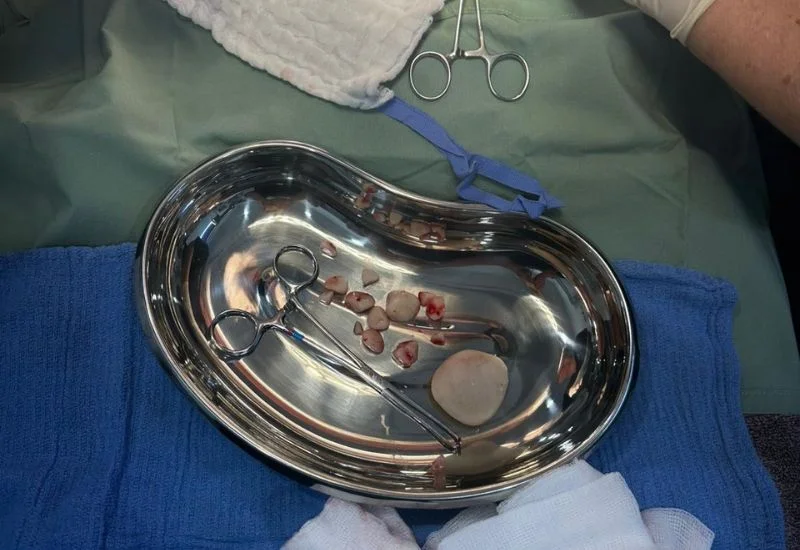
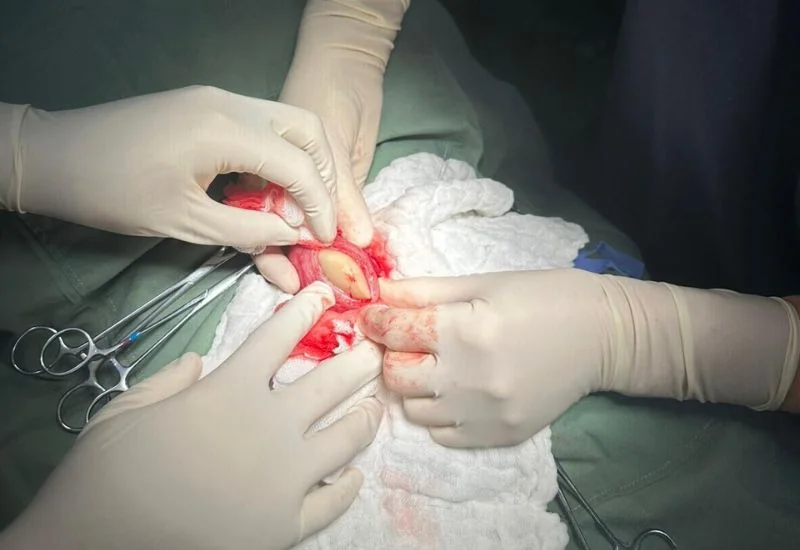
Seri underwent a cystotomy (bladder surgery) the same day. During the procedure, 16 bladder stones were removed, including one measuring 3 × 4 cm. The bladder wall was thickened and inflamed but otherwise healthy, with a good blood supply.
A urinary catheter was passed to ensure no stones were lodged in the urethra, and the bladder was pressure-tested to confirm there were no leaks. Throughout surgery and recovery, Seri was closely monitored by our nursing team, with special attention to her breathing as she woke from anaesthesia.
Recovery from Bladder Stone Surgery
Seri recovered smoothly from surgery and was urinating comfortably straight away – often the most telling sign that a dog is feeling relief. She was discharged with a course of antibiotics while stone analysis was completed.
The stones were confirmed as struvite stones, which are diet-responsive. Seri was transitioned onto a prescription urinary diet to help prevent recurrence.
At the same time, her existing skin allergies were addressed, with treatment adjusted over time to keep her comfortable long-term.
What We Can Learn from Seri’s Story
Bladder stones don’t appear overnight, and symptoms like blood in urine or straining are never “wait and see” signs. In dogs – especially smaller breeds and those with a history of UTIs – early investigation can prevent prolonged pain and more serious complications.
In brachycephalic breeds, experienced anaesthetic monitoring and nursing care play a significant role in achieving safe outcomes. Seri’s case highlights how thoughtful surgery, careful recovery, and long-term planning can significantly improve quality of life.
Bladder Stone Removal in Dogs: Seri’s Outcome
Seri is now pain-free, urinating normally, and far more comfortable overall. With the proper diet and ongoing care, there has been no recurrence of bladder stones, and her skin condition is well controlled. Her owner was relieved to see her return to her usual self, without the discomfort she had been living with.
If your dog is showing signs of urinary discomfort, blood in the urine, or straining to urinate, early assessment can make all the difference.
Contact Casey and Cranbourne Veterinary Hospital to book an appointment and talk through the next steps.
Our Services
Trusted Veterinary Services All Under One Roof
Your pet’s care is supported by a highly experienced team who provide everything from routine check ups and preventative care, to advanced diagnostics, surgery and dentistry. We take a careful, thorough approach to every case and keep you informed at each step, so your pet receives reliable, compassionate care throughout their life.
Whether your pet needs everyday health support, or help with a more complex condition, our team work together to provide clear answers and thoughtful treatment in a calm, modern hospital.


PET EDUCATION AND RESOURCES
Practical advice and real case stories to support your pet’s care.
Pet Care Articles
Helpful tips and expert guidance to support your pet’s health and everyday well-being.
Real Life Case Studies
Real stories from our veterinary team showing how we diagnose, treat and support pets through illness and recovery.

Quick Answers to Common Questions
What causes bladder stones in dogs?
Bladder stones often form due to urinary tract infections, changes in urine pH, or mineral imbalances. Some stones are diet-responsive, while others may require surgical removal.
Are bladder stones an emergency?
They can be. Straining, blood in urine, or difficulty passing urine should always be checked promptly, as obstruction can become life-threatening.
Are pugs at higher risk during surgery?
Brachycephalic breeds like pugs require additional anaesthetic monitoring, particularly during recovery. With experienced teams and planning, surgery can still be performed safely.
Can bladder stones come back?
Yes, depending on the stone type. Diet, infection control, and regular monitoring are key to reducing recurrence.
We live in Cranbourne / Clyde / Berwick - can we come to you?
Yes. We regularly care for pets from Cranbourne, Clyde, Berwick, Cranbourne West and surrounding suburbs.
Are bladder stones an emergency?
They can be. Signs such as straining to urinate, blood in the urine, or difficulty passing urine should always be checked promptly, as a blockage can become life-threatening if left untreated.
Book your pet’s appointment
today with our experienced, caring team.

Newsletter sign up
Contact Info
Opening Hours
Monday to Friday: 8:00am –
7:00pm
Saturday: 8:00am – 3:00pm
Sunday: CLOSED
Closed on public holidays
For all out-of-hours emergencies,
please contact Veterinary Referral Hospital (VRH) on 1300 385 874
or Casey Pet Emergency on (03) 8790 1625.