
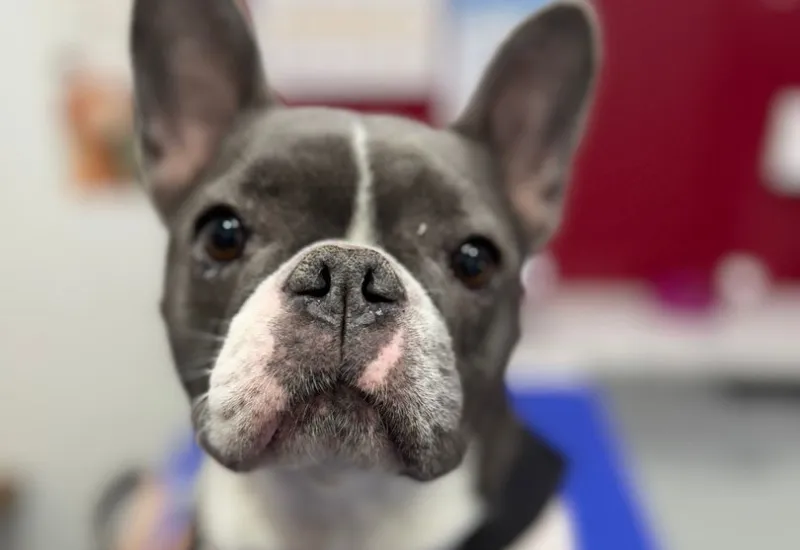
Two Dogs with Loss of Appetite and Vomiting
Vomiting and loss of appetite are common reasons dogs visit the vet. In many cases, the cause is simple and resolves quickly.
However, these vague symptoms can sometimes indicate a more complex condition.
Recently, our team diagnosed two dogs with Addison’s disease, a hormonal disorder that is often difficult to detect because it mimics other illnesses. Although Violet and Patches presented differently, both cases underscore the importance of thorough investigation and follow-up testing.
What is Addison’s Disease?
Addison’s disease, or hypoadrenocorticism, occurs when the adrenal glands do not produce enough essential hormones.
These hormones regulate:
- Electrolyte balance.
- Stress response.
- Blood pressure.
- Metabolism.
Without treatment, Addison’s disease can cause dangerous electrolyte imbalances and, in severe cases, result in an Addisonian crisis.
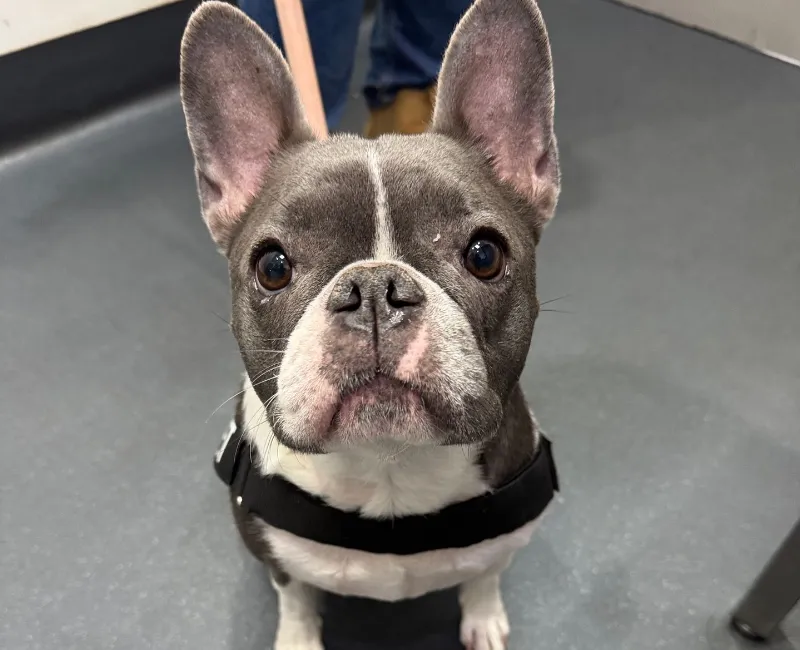
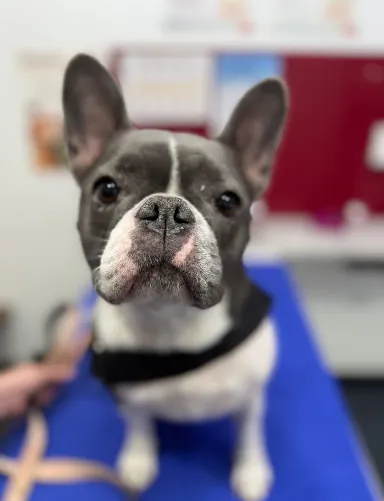
Violet the French Bulldog
Violet, a 5-year-old French Bulldog, was brought in after her owner noticed she had been unusually picky with her food for about a week, along with intermittent vomiting over several days.
During her examination:
- She appeared quieter than usual.
- Her hydration was slightly reduced.
Initial blood tests showed elevated potassium and an abnormal sodium-to-potassium ratio, raising suspicion for Addison’s disease.
An ACTH stimulation test was performed to confirm the diagnosis. This specialised test measures the adrenal glands’ response to stimulation and determines if Addison’s disease is present.
While awaiting results, Violet’s potassium levels continued to rise, and she became increasingly lethargic. As this can indicate an Addisonian crisis, treatment was started immediately.
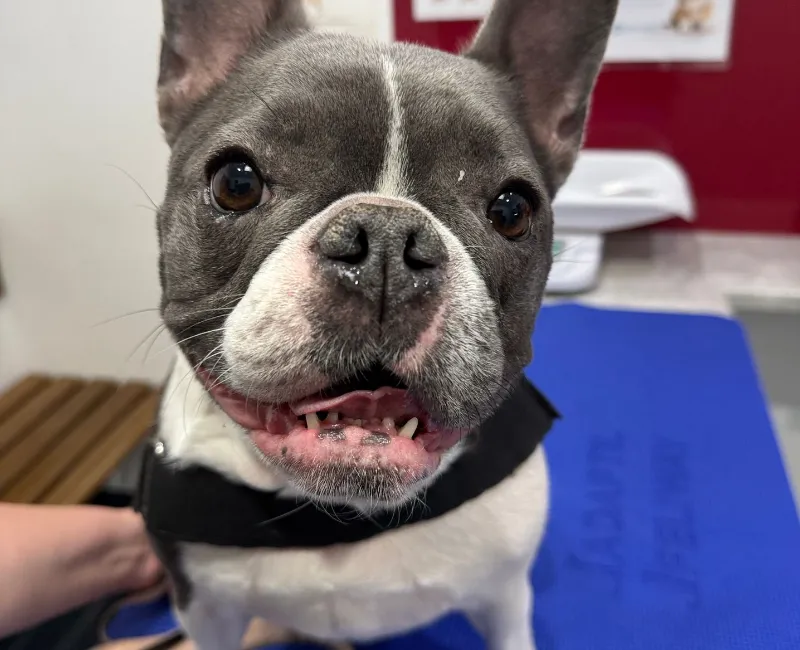
She received:
- Intravenous fluids.
- Steroid therapy.
- Medication to stabilise her electrolytes.
Violet responded well to treatment and was transferred to an emergency centre overnight for ongoing monitoring.
Violet was initially managed with:
- Florinef medication.
- Daily prednisolone.
She later transitioned to monthly Zycortal injections, which replace the hormones needed to maintain electrolyte balance.
With ongoing monitoring and medication adjustments, Violet has remained stable and continues to do well on low-dose Zycortal monthly injections.
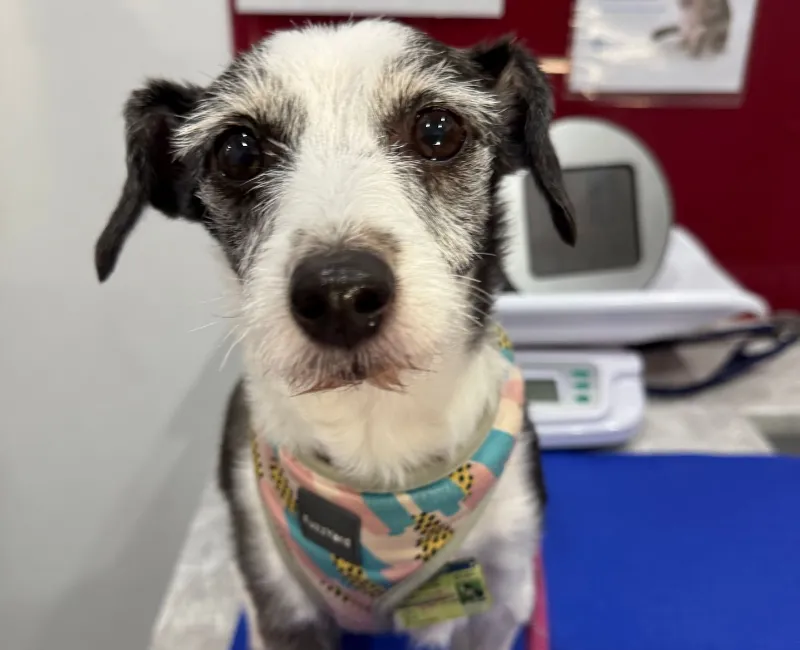
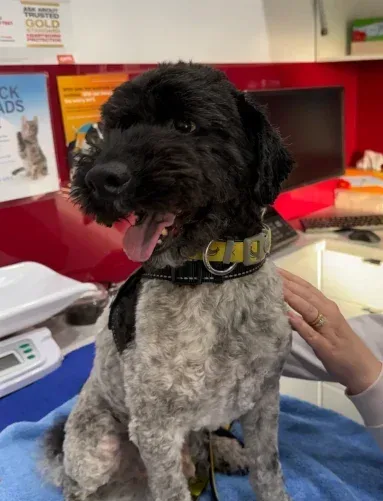
Patches the Terrier Cross
Patches, a 10-year-old Mini Fox Terrier and Mini Poodle cross, first visited the clinic after several days of vomiting.
At that time:
- Her physical exam was normal.
- Blood tests were also normal.
Two weeks later, she returned with ongoing vomiting, lethargy, and reduced appetite.
- Repeat blood tests at an emergency clinic revealed:
- Elevated potassium levels.
- An abnormal sodium-to-potassium ratio.

These changes raised concern for Addison’s disease, and an ACTH stimulation test confirmed the diagnosis.
Because Patches remained relatively stable, she did not require hospitalisation.
She began treatment with:
- Zycortal injections.
- Oral prednisolone.
Once therapy began, Patches quickly returned to her normal self and has responded very well to the low-dose Zycortal protocol routinely used at CCVH to manage dogs diagnosed with Addison’s disease.
Why Addison’s Disease Can Be Difficult to Diagnose
Addison’s disease is often referred to as “The Great Pretender.”
Early symptoms can be vague and may include:
- Vomiting.
- Reduced appetite.
- Lethargy.
- Intermittent gastrointestinal upset.
These signs can easily resemble other conditions, including stomach upset, pancreatitis, or other gastrointestinal diseases.
Careful blood testing and targeted diagnostics, such as the ACTH stimulation test, are essential to confirm the diagnosis.
The Importance of Early Investigation
Both Violet and Patches initially presented with symptoms that could easily be mistaken for a simple stomach upset.
Their stories highlight the importance of investigating persistent or recurring vomiting.
With prompt diagnosis, appropriate treatment, and regular monitoring, dogs with Addison’s disease can live long, healthy, and happy lives.
Contact Casey & Cranbourne Veterinary Hospital promptly if you have concerns. Our team is here to help.
Our Services
Trusted Veterinary Services All Under One Roof
Your pet’s care is supported by a highly experienced team who provide everything from routine check ups and preventative care, to advanced diagnostics, surgery and dentistry. We take a careful, thorough approach to every case and keep you informed at each step, so your pet receives reliable, compassionate care throughout their life.
Whether your pet needs everyday health support, or help with a more complex condition, our team work together to provide clear answers and thoughtful treatment in a calm, modern hospital.


PET EDUCATION AND RESOURCES
Practical advice and real case stories to support your pet’s care.
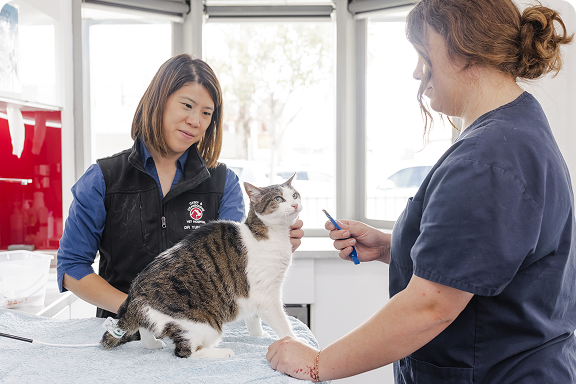
Pet Care Articles
Helpful tips and expert guidance to support your pet’s health and everyday well-being.
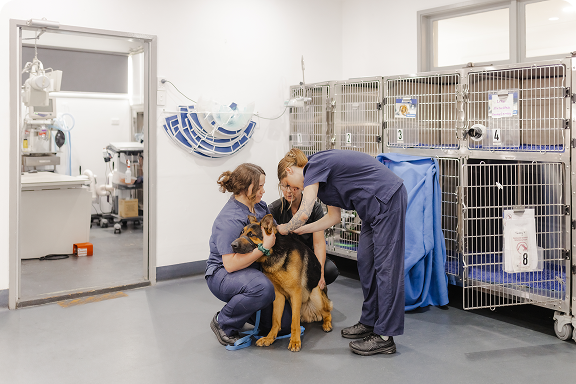
Real Life Case Studies
Real stories from our veterinary team showing how we diagnose, treat and support pets through illness and recovery.

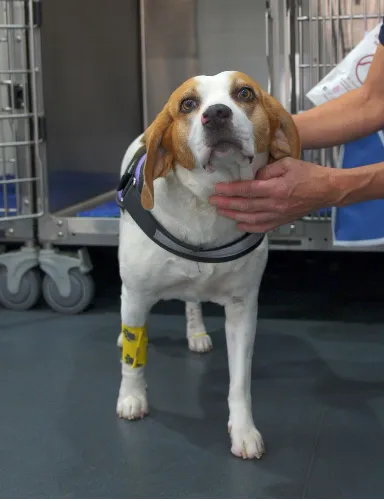

Quick Answers to Common Questions
What causes Addison’s disease in dogs?
Addison’s disease is usually caused by the immune system attacking adrenal glands. This is called an autoimmune condition.
Less commonly, it can be caused by:
- Long-term use or sudden withdrawal of steroid medications.
- Damage to the adrenal glands from disease or injury.
In most cases, no single trigger has been identified.
What are the signs of Addison’s disease?
The symptoms are often vague and can come and go, which makes it difficult to spot early.
Common signs include:
- Vomiting.
- Diarrhoea.
- Loss of appetite.
- Lethargy.
- Weight loss.
- Shaking or weakness.
In severe cases, dogs can collapse due to Addisonian crisis.
Can Casey & Cranbourne Veterinary Hospital diagnose Addison’s disease?
Yes. It is a condition we are particularly passionate about raising awareness of. Our team can diagnose Addison’s disease using a combination of blood tests and specialised diagnostics.
This includes:
- Routine bloodwork to check electrolyte levels.
- ACTH stimulation testing to confirm the diagnosis.
Early and accurate diagnosis is critical to prevent serious complications.
How is Addison’s Disease treated?
Addison’s disease is managed with lifelong hormone replacement therapy.
Treatment typically includes:
- Regular injections such as Zycortal to maintain electrolyte balance.
- Oral steroids to replace cortisol.
- Ongoing blood tests to monitor levels and adjust treatment.
Most dogs respond very well once treatment is established.
Can Addison’s disease be cured?
No, Addison’s disease cannot be cured. However, it can be very effectively managed with the right treatment and monitoring. With consistent care, most dogs go on to live normal, healthy lives.
How common is Addison’s disease in dogs?
Addison’s disease is considered uncommon, but it is not rare in veterinary practice.
Because symptoms can be subtle, some cases may go undiagnosed without proper testing.
Book your pet’s appointment
today with our experienced, caring team.

Newsletter sign up
Contact Info
Opening Hours
Monday to Friday: 8:00am –
7:00pm
Saturday: 8:00am – 3:00pm
Sunday: CLOSED
Closed on public holidays
For all out-of-hours emergencies,
please contact Veterinary Referral Hospital (VRH) on 1300 385 874
or Casey Pet Emergency on (03) 8790 1625.