
Rupert the Guinea Pig:
When Not Eating Becomes an Emergency
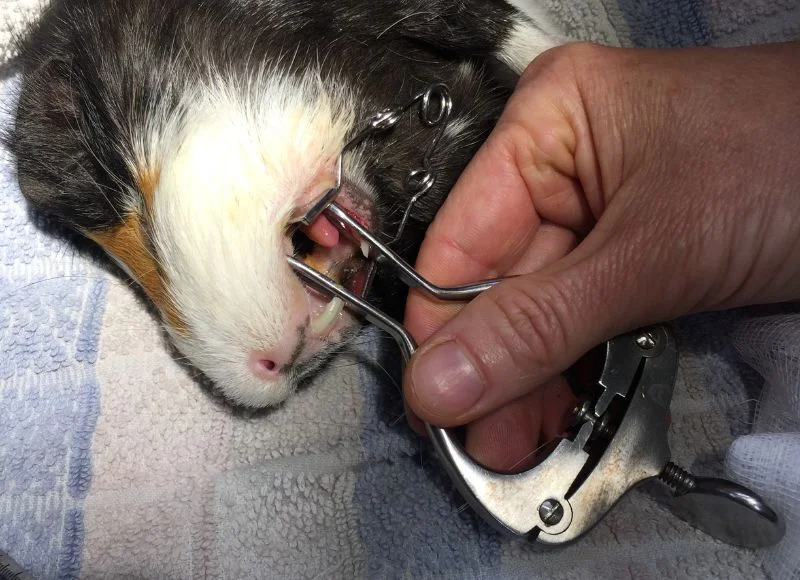
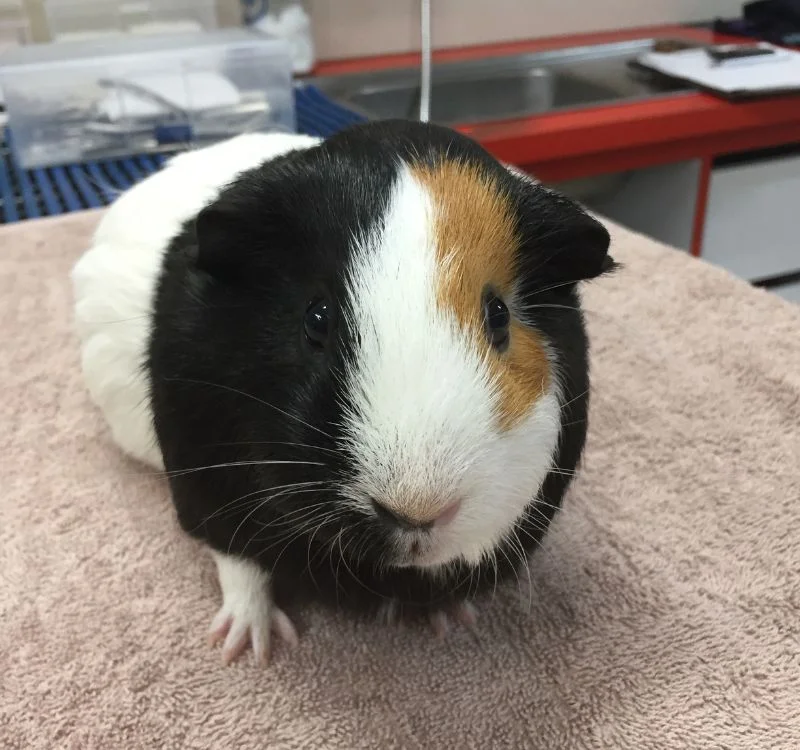
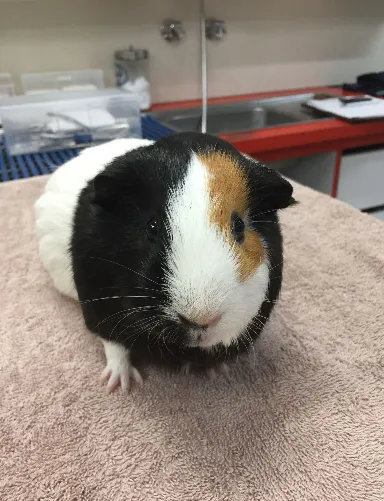
Rupert was a 3-year-old guinea pig who had always been a keen eater – until one day, he wasn’t. His owner noticed drooling, reduced appetite, and something that didn’t look right inside his mouth. Knowing how quickly guinea pigs can decline when they stop eating, she brought him straight to Casey and Cranbourne Veterinary Hospital.
Dental disease in guinea pigs is never something to “wait and see.” For animals whose teeth never stop growing, pain and infection can quickly spiral into gut stasis – a life-threatening condition. Rupert’s case was a clear example of how fast, experienced intervention can make all the difference.
What We Found During Rupert’s Exam
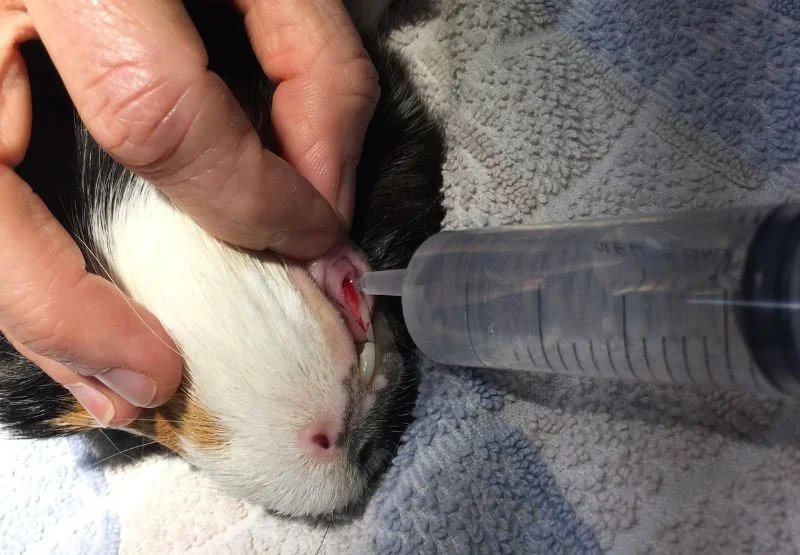
On examination, Rupert had a loose, painful and infected left lower incisor, with swelling and pus at the gumline. This explained why he’d stopped eating – chewing was simply too uncomfortable.
Because guinea pigs rely on constant food intake to keep their digestive system moving, the decision was made to proceed with same-day guinea pig dental surgery. Delaying treatment would have significantly increased the risk of complications.
Guinea Pig Dental Surgery Procedure
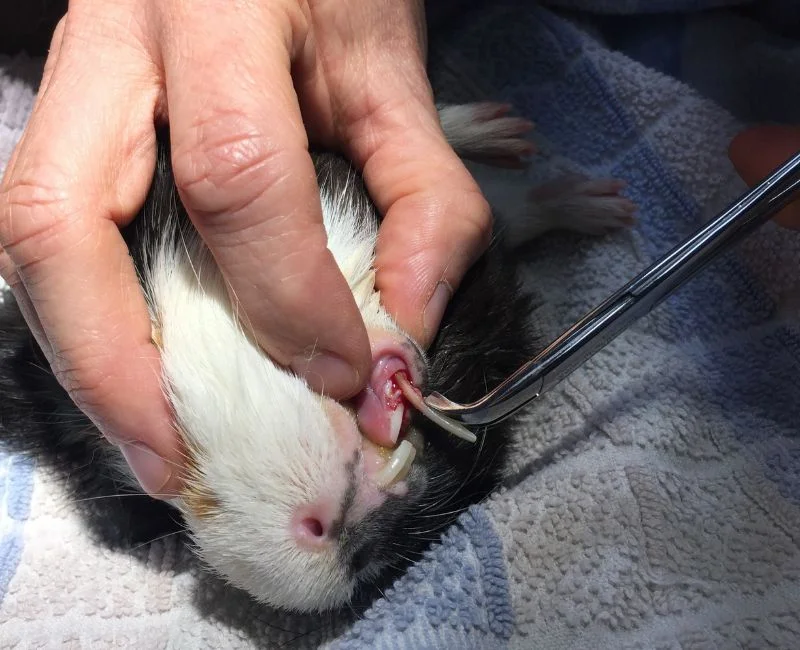
Rupert’s dental extraction was performed by Clinical Director Dr Leanne Versteege, who has a special interest in pocket pets, including guinea pigs and rabbits. The clinic is equipped with species-specific dental burrs and extractors designed for these delicate animals – something not available at every veterinary hospital.
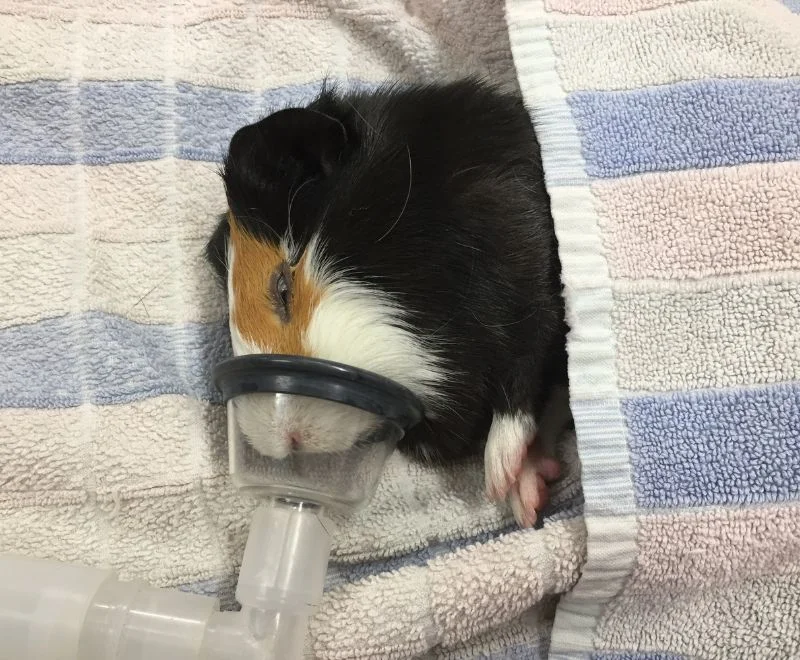
Guinea pigs are particularly sensitive under anaesthesia, especially during dental procedures. Throughout the extraction, Rupert was continuously monitored by an experienced veterinary nurse, carefully managing anaesthetic depth and vital signs.
The infected incisor was removed efficiently and safely, relieving the source of pain and infection.
Tooth Extraction: Recovery and Outcome
Rupert recovered smoothly from the anaesthetic and, most importantly, started eating later that same afternoon – a critical milestone for guinea pig recovery.
Over the following weeks:
- His appetite returned to normal
- He maintained his weight
- The infected gum healed well with antibiotics
Long-term follow-up showed an excellent outcome. Despite losing one lower incisor, Rupert’s remaining teeth adapted naturally. His upper incisors wore evenly, and he never required trimming or further dental intervention.
What Can We Learn from Rupert’s Story?
Dental issues in guinea pigs escalate quickly, and they rarely give subtle warnings.
When a guinea pig stops eating, drools, or loses weight, it’s never “just a sore tooth.” Dental disease can rapidly lead to gut stasis, which is a life-threatening condition in small herbivores. Rupert’s smooth recovery was possible because the problem was addressed early, with the right equipment and careful monitoring.
Because guinea pigs’ teeth grow continuously, changes in appetite or eating behaviour are often the first sign that something isn’t right. Regular weight checks at home, prompt attention to appetite changes, and routine health checks can help catch dental issues before they become serious.
If your guinea pig has stopped eating, is drooling, or seems uncomfortable around food, early assessment isn’t just helpful – it can be life-saving.
When to Seek Help
If your guinea pig has stopped eating, is drooling, losing weight, or seems uncomfortable around food, early veterinary assessment can make a critical difference.
If you’re concerned about your guinea pig’s teeth or appetite, contact our team to book an exotic pet consultation and talk through the next steps.
Our Services
Trusted Veterinary Services All Under One Roof
Your pet’s care is supported by a highly experienced team who provide everything from routine check ups and preventative care, to advanced diagnostics, surgery and dentistry. We take a careful, thorough approach to every case and keep you informed at each step, so your pet receives reliable, compassionate care throughout their life.
Whether your pet needs everyday health support, or help with a more complex condition, our team work together to provide clear answers and thoughtful treatment in a calm, modern hospital.


PET EDUCATION AND RESOURCES
Practical advice and real case stories to support your pet’s care.
Pet Care Articles
Helpful tips and expert guidance to support your pet’s health and everyday well-being.
Real Life Case Studies
Real stories from our veterinary team showing how we diagnose, treat and support pets through illness and recovery.

Quick Answers to Common Questions
How do I know if my guinea pig has dental problems?
Signs include drooling, weight loss, dropping food, eating on one side of the mouth, or refusing to eat altogether. If you notice any of these signs, book a vet check straight away.
What happens if a guinea pig stops eating?
It’s an emergency. Guinea pigs can develop gut stasis (where the digestive system stops moving) within 24-48 hours of not eating, which is life-threatening. Same-day veterinary care is essential.
Can guinea pigs have tooth problems?
Yes – their teeth grow continuously throughout their lives. Without proper wear, teeth can become overgrown, infected, or develop painful spurs that make eating difficult or impossible.
Do you treat guinea pigs and small animals at your Cranbourne vet clinic?
Yes. We have specialised equipment and experience treating small animals, including guinea pigs, rabbits, and other pets. Dr Leanne has a particular interest in exotic pet dentistry.
Is dental surgery safe for guinea pigs?
When performed by experienced vets with proper monitoring, yes. Guinea pigs require careful anaesthetic management, which is why we use continuous monitoring and species-specific equipment throughout the procedure.
How much does pet dental treatment cost?
Costs vary depending on the procedure needed. Contact our team for a consultation – we’ll assess your pet and provide a treatment plan with clear pricing before proceeding.
Book your pet’s appointment
today with our experienced, caring team.

Newsletter sign up
Contact Info
Opening Hours
Monday to Friday: 8:00am –
7:00pm
Saturday: 8:00am – 3:00pm
Sunday: CLOSED
Closed on public holidays
For all out-of-hours emergencies,
please contact Veterinary Referral Hospital (VRH) on 1300 385 874
or Casey Pet Emergency on (03) 8790 1625.