Complex Eyelid Mass Removal
When a Small Lump Turns into Complex Eyelid Surgery
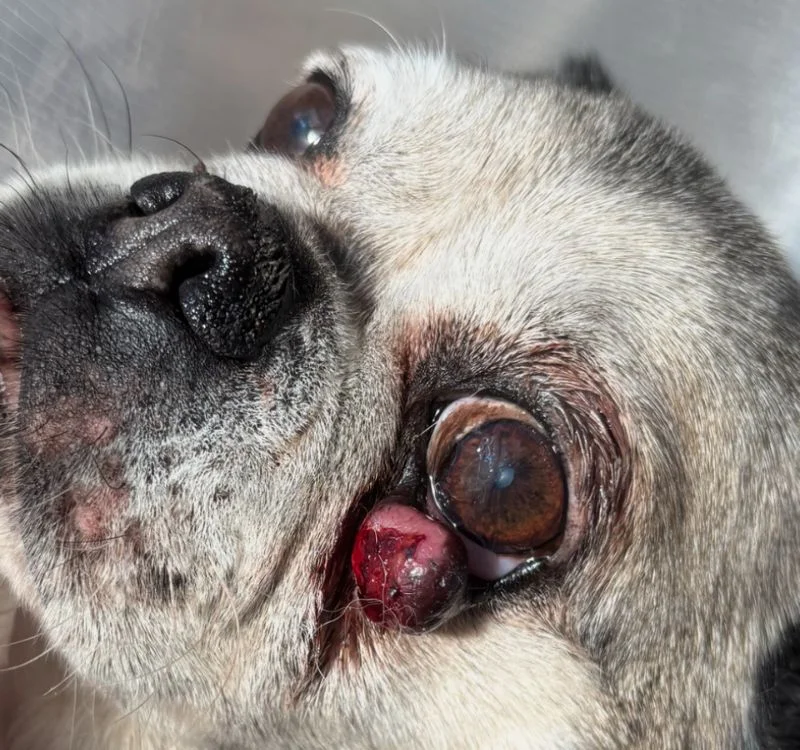
Archie, a much-loved 14-year-old male pugalier, had a small lump on his lower eyelid that had been monitored quietly for some time. It wasn’t painful, wasn’t affecting his vision, and didn’t interfere with his day-to-day life, so for a while, watching and waiting was the right approach.
Then it changed.
The mass began to grow rapidly and started to obscure Archie’s vision. At nearly fourteen years old, and as a brachycephalic breed with early kidney changes, Archie was considered a higher anaesthetic risk. That meant the decision to operate wasn’t taken lightly. But as the lump continued to enlarge, doing nothing was no longer the safest option.
Careful planning, honest discussion, and a clear focus on Archie’s comfort and quality of life shaped the next steps.
Advanced Surgery for Dogs: Careful Planning for a High-risk Patient
At nearly 14 years old, Archie was considered a higher anaesthetic risk. Pre-anaesthetic testing confirmed early kidney changes, and as a brachycephalic breed, extra attention was needed around airway management and recovery.
Rather than rushing, the team focused on planning carefully – weighing risk, timing, and surgical approach to give Archie the best chance of a safe outcome with the least stress possible.
Advanced Eyelid Surgery with Reconstruction
During surgery, the mass was found to involve around 80% of the lower eyelid, requiring not just removal but reconstruction.
Dr Yuen performed an advanced eyelid procedure using an H-plasty technique, carefully rebuilding the eyelid so it could still protect the eye and function comfortably. The conjunctiva was repositioned to reduce the risk of fur rubbing on the cornea as healing progressed.
Given the size and location of the mass, this approach allowed Archie to keep his eye, avoiding enucleation, which had been discussed as a possible alternative if reconstruction wasn’t feasible.
Recovery, Patience, and Steady Improvement
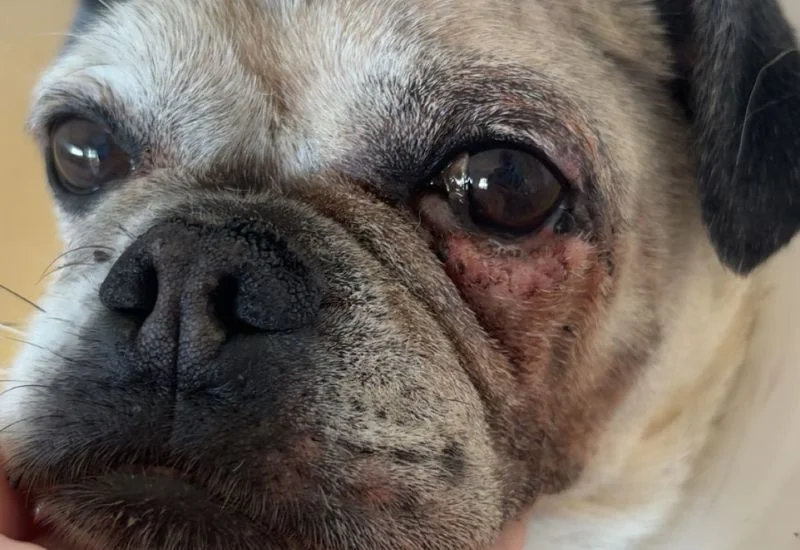
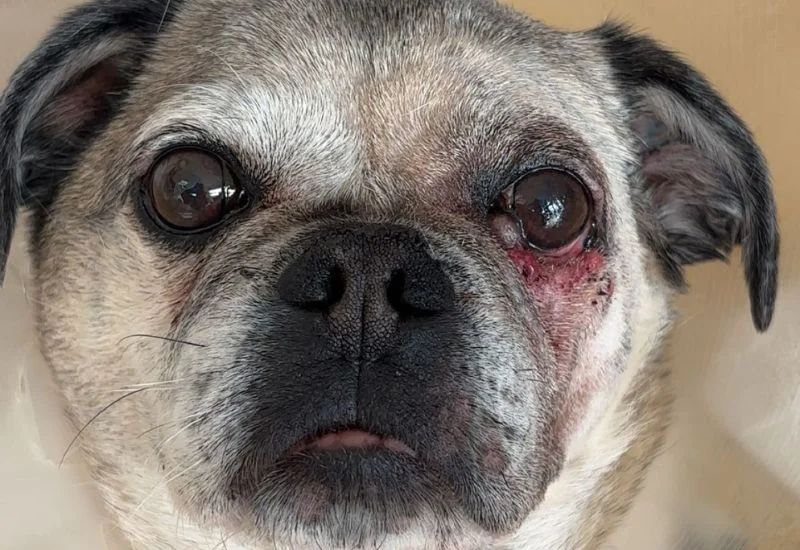
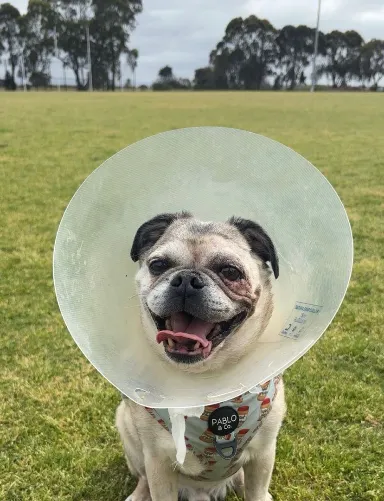
In the early days after surgery, the eyelid looked inflamed and fragile, which can be confronting for owners. Archie was closely monitored, supported with pain relief, antibiotics, eye medication, and strict use of an Elizabethan collar.
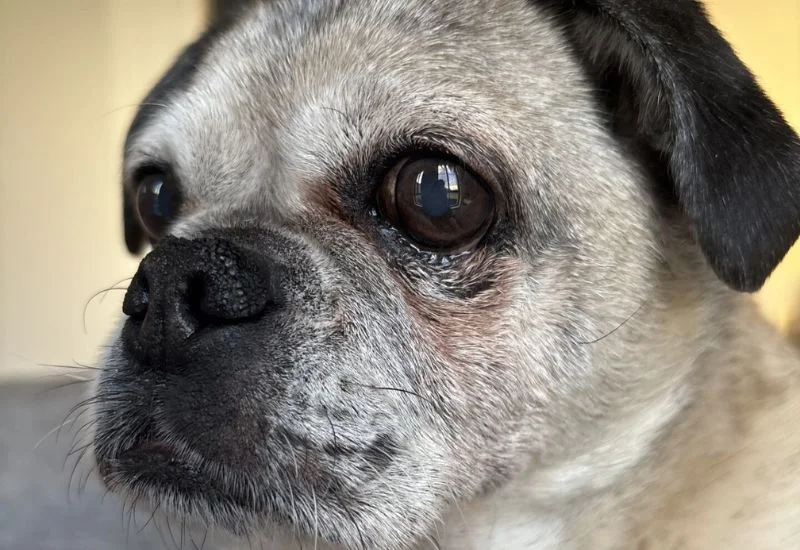
With time, the swelling settled, the sutures held, and healing progressed steadily. Follow-up checks showed ongoing improvement and good comfort.
Outcome: Seeing the World Clearly Again
Histopathology confirmed the mass was a cutaneous plasmacytoma, a tumour type that is typically benign when fully removed. Importantly, the margins were clear.
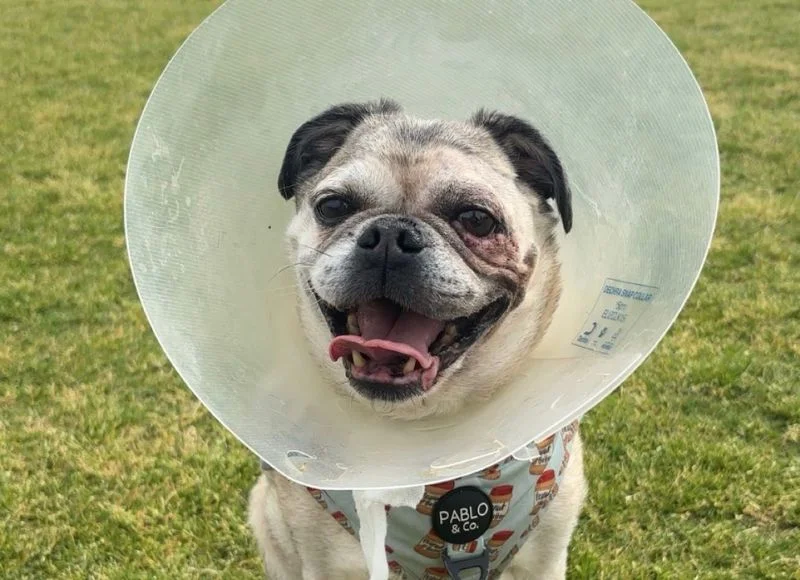
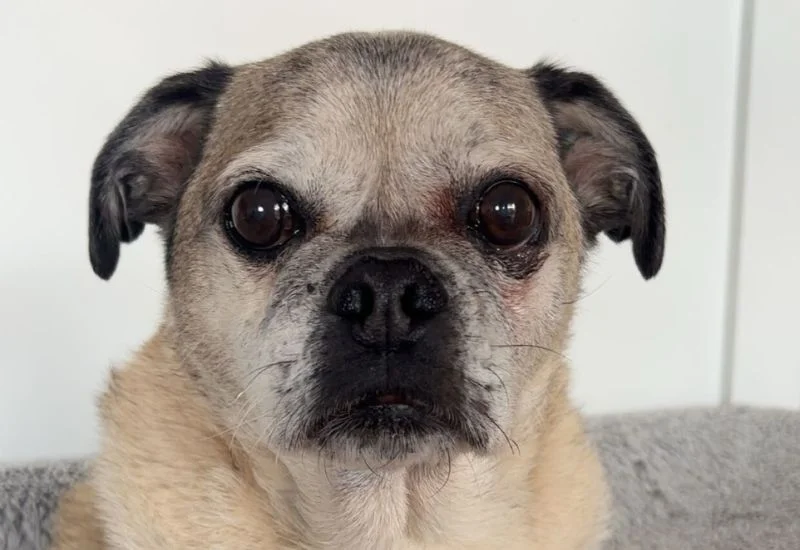
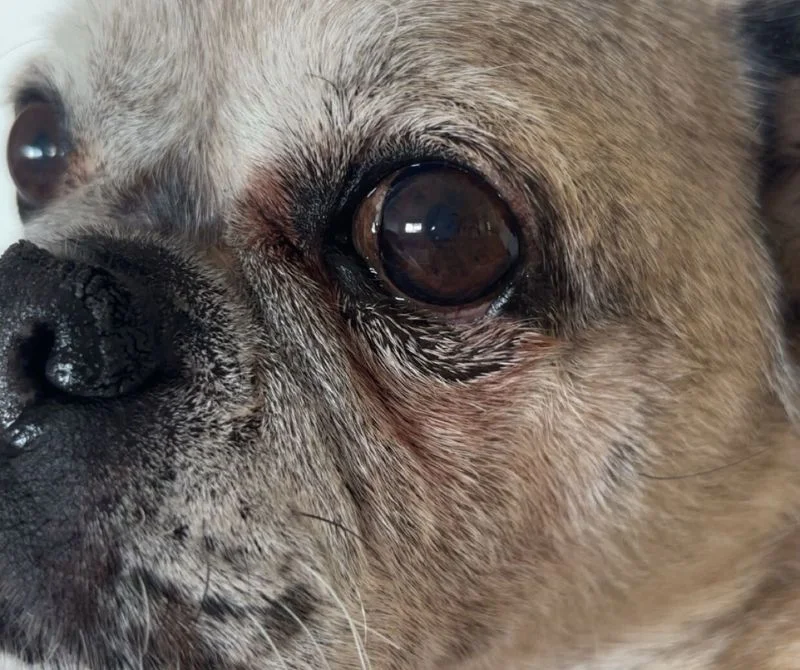
Today, Archie is back to being his happy, social self, just with clearer vision and a comfortable eye. Ongoing monitoring is planned, but his prognosis is excellent.
What We Can Learn from Archie’s Story
Lumps around the eye deserve careful attention, even when they’ve been quiet for a long time. Changes in size, bleeding, or vision interference are signs it’s time to reassess.
For senior pets, surgery is never a casual decision. With the proper planning, experienced hands, and close nursing care, complex procedures can still be performed safely and can make a real difference to comfort and quality of life.
When to Seek Veterinary Advice
If your dog has:
- a lump near the eye that’s growing or bleeding
- changes in vision or eye comfort
- discharge, redness, or rubbing at the face
Early assessment gives more options and better outcomes.
If you’ve noticed changes around your dog’s eyes or have concerns about a lump, our team is here to help you talk through options calmly and clearly.
Contact Casey & Cranbourne Veterinary Hospital to book a surgical consultation.
Our Services
Trusted Veterinary Services All Under One Roof
Your pet’s care is supported by a highly experienced team who provide everything from routine check ups and preventative care, to advanced diagnostics, surgery and dentistry. We take a careful, thorough approach to every case and keep you informed at each step, so your pet receives reliable, compassionate care throughout their life.
Whether your pet needs everyday health support, or help with a more complex condition, our team work together to provide clear answers and thoughtful treatment in a calm, modern hospital.


PET EDUCATION AND RESOURCES
Practical advice and real case stories to support your pet’s care.
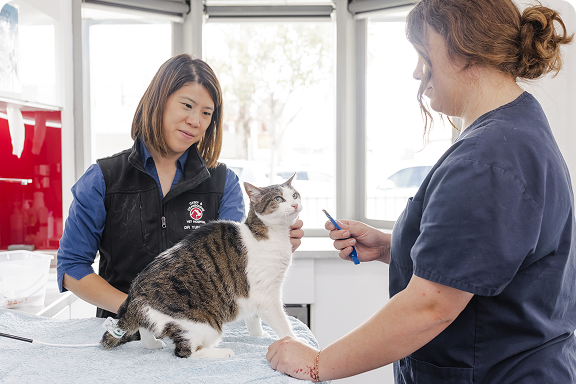
Pet Care Articles
Helpful tips and expert guidance to support your pet’s health and everyday well-being.
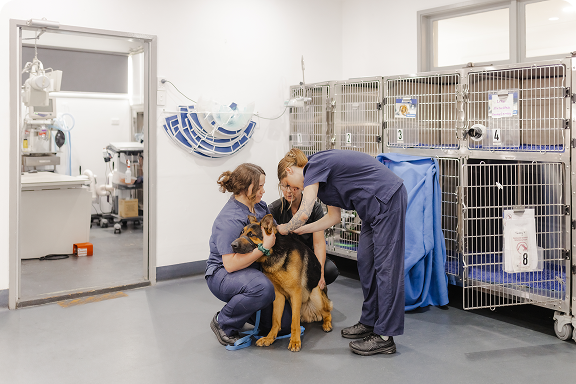
Real Life Case Studies
Real stories from our veterinary team showing how we diagnose, treat and support pets through illness and recovery.
Quick Answers to Common Questions
How do I know if an eyelid lump needs surgery?
Small eyelid lumps can often be monitored, but changes matter. Rapid growth, bleeding, irritation, or vision interference are all signs that a lump should be reassessed promptly.
Is eyelid surgery safe for older dogs?
Age alone isn’t the deciding factor. What matters is careful pre-anaesthetic assessment, experienced surgical planning, and close nursing support – all of which help reduce risk for senior pets.
What happens if an eyelid mass isn’t treated?
Left untreated, some masses can continue to grow, rub against the eye, cause ulcers, or lead to infection and pain. Early intervention can prevent more serious complications.
Will my dog lose their eye if there’s a mass on the eyelid?
Not always. In many cases, reconstructive techniques can preserve the eyelid and eye. Enucleation (eye removal) is only considered if reconstruction isn’t possible or the eye itself is compromised.
What does recovery look like after eyelid surgery?
Most dogs go home with pain relief, eye medication, and a protective collar. Swelling and redness are common early on, but this usually improves with time and careful aftercare.
Can you perform complex eyelid surgery locally in Cranbourne?
Yes. We regularly manage complex soft-tissue and reconstructive procedures at Casey and Cranbourne Veterinary Hospital, allowing pets to receive advanced care close to home.
Book your pet’s appointment
today with our experienced, caring team.

Newsletter sign up
Contact Info
Opening Hours
Monday to Friday: 8:00am –
7:00pm
Saturday: 8:00am – 3:00pm
Sunday: CLOSED
Closed on public holidays
For all out-of-hours emergencies,
please contact Veterinary Referral Hospital (VRH) on 1300 385 874
or Casey Pet Emergency on (03) 8790 1625.