
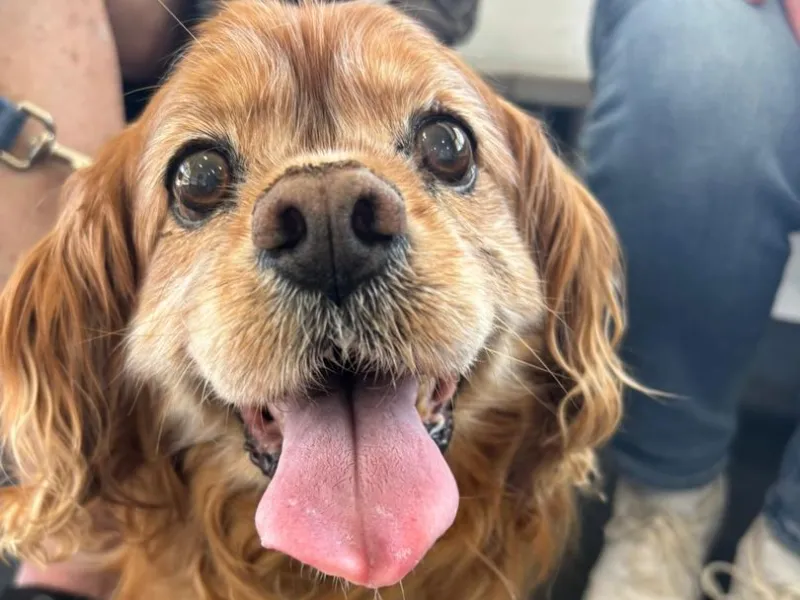
When a Routine Walk Turns into an Emergency
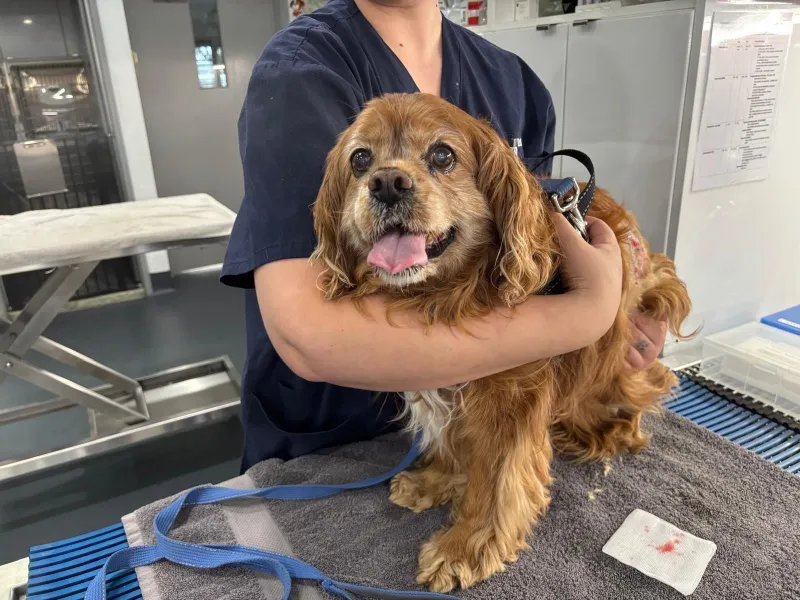
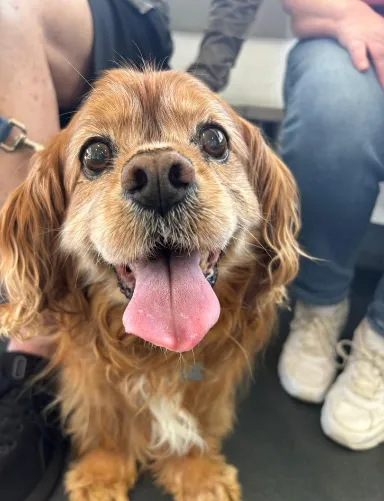
Benny, a 13 1⁄2-year-old Cavalier King Charles Spaniel, was rushed to Casey and Cranbourne Veterinary Hospital after being attacked by a much larger dog during a morning walk. The incident happened suddenly and violently, with Benny sustaining multiple puncture wounds and significant crushing trauma to his abdomen before help arrived.
For his owners, the fear wasn’t just about the injuries they could see. Benny already lived with significant heart disease, making any form of anaesthesia a serious risk. The challenge for our team was clear: manage a severe traumatic injury while keeping Benny safe, comfortable, and stable.
Initial Assessment and Stabilisation
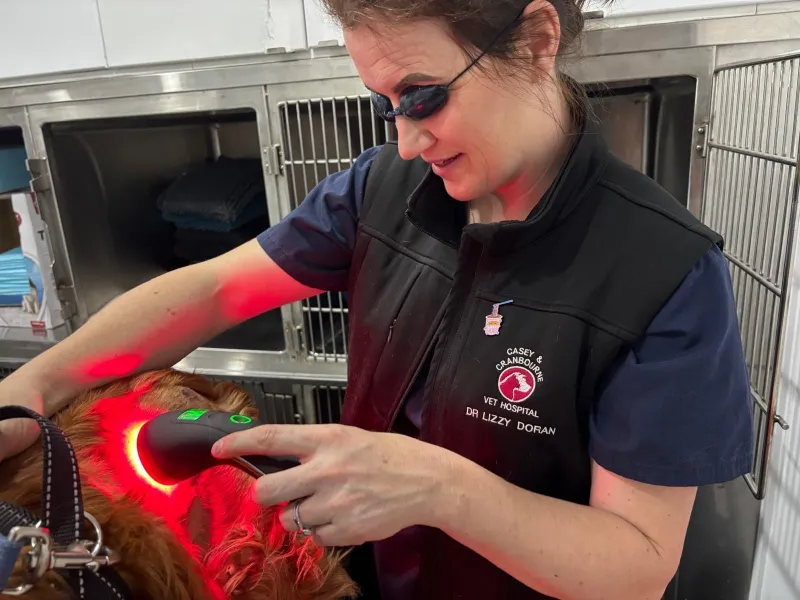
Benny was examined immediately on arrival. Although shaken and sore, he was still able to walk, and his vital signs were stable. Careful examination revealed multiple puncture wounds on the left side of his abdomen, along with extensive bruising beneath the skin, a common but serious feature of dog attack injuries.
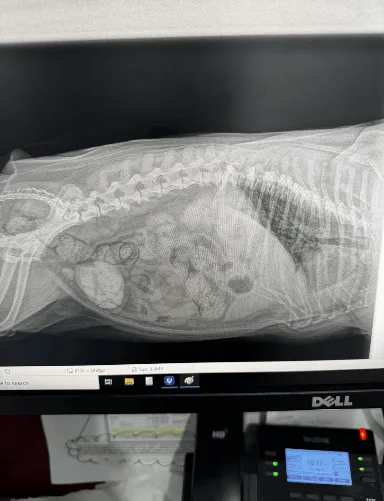
Because bite wounds often cause more damage below the surface than is visible externally, Benny underwent diagnostic imaging. X-rays confirmed there was no penetration into the chest or abdominal cavity and no fractures. However, they did reveal an unrelated finding: multiple bladder stones, which would need to be addressed later once Benny had recovered from the attack.
Pain relief and antibiotics were started immediately, and Benny was closely monitored. Given his heart condition, avoiding unnecessary surgery was a priority.
Understanding Crushing Injuries and Wound Progression
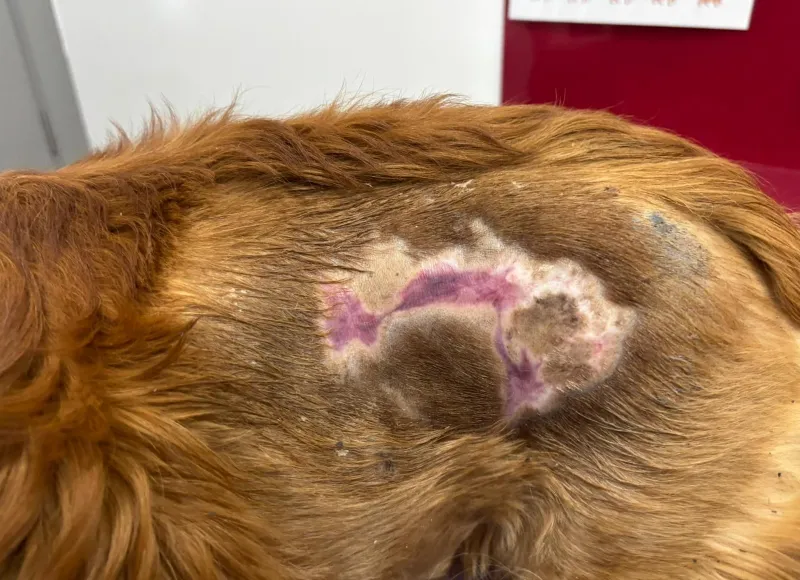
Dog attack wounds are rarely simple punctures. The force of shaking and crushing causes underlying tissue damage that often worsens over the first one to three weeks before healing can begin. This can be confronting for owners, so clear communication and expectation-setting are critical.
Benny’s wounds were carefully cleaned, flushed, and monitored over the following days. As expected, some tissue breakdown occurred as damaged skin and muscle declared itself. Throughout this phase, the focus was on pain control, infection prevention, and supporting Benny while allowing the wounds to stabilise naturally.
Introducing Laser Therapy for Wound Healing
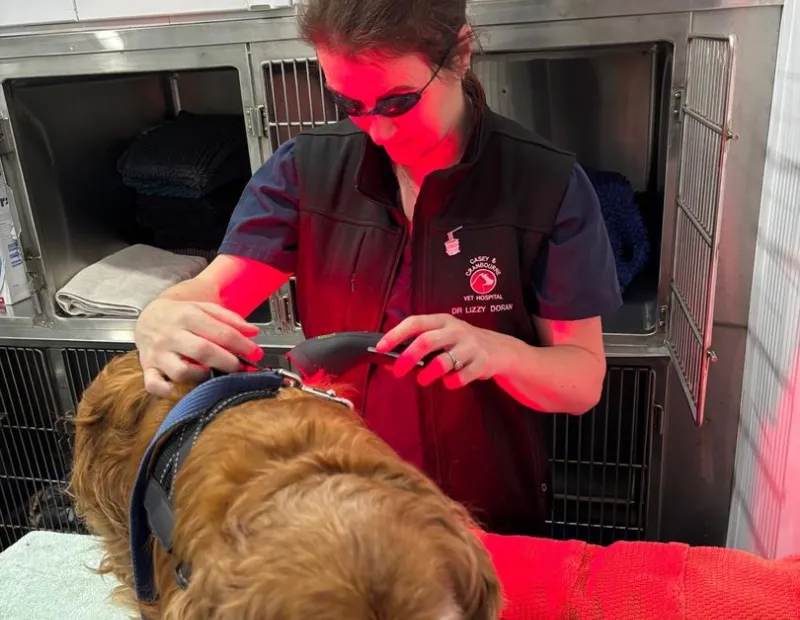
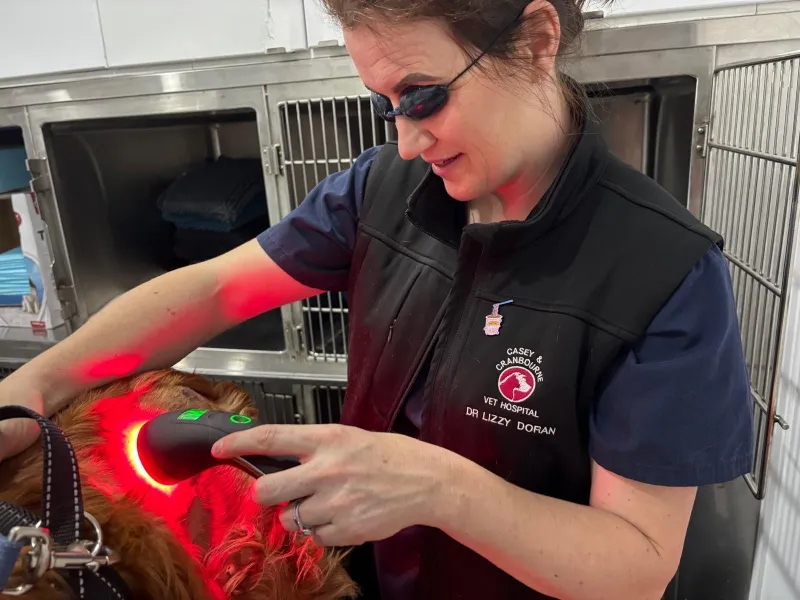
Once a healthy wound bed had formed, around three weeks after the attack, Benny began laser therapy under the care of Dr Elizabeth Doran. Laser therapy offered a powerful advantage in his case: it could accelerate healing without surgery or general anaesthesia.
Laser treatments were performed twice weekly over four sessions. Each treatment was pain-free, quick, and well-tolerated. Benny was so relaxed that no restraint or sedation was needed. The laser was applied to stimulate tissue repair, improve blood flow, and encourage new skin growth.
With each session, the improvement was visible. Healthy new tissue formed along the wound edges, infection risk was reduced, and the skin began closing far more rapidly than expected for an injury of this size.
A Positive Outcome Without Surgery
Benny’s wounds healed completely without the need for surgical reconstruction, an especially important outcome given his cardiac risk. Once his skin had healed, the team could safely shift focus to managing his other ongoing health needs, including bladder stones, heart disease, and allergic skin conditions.
His owners were relieved to see him comfortable again, without the stress and risk that surgery might have brought.
Benny’s owner shared:
“The laser treatment has been amazing. Benny’s recovery from this horrendous incident has been incredible. We are so grateful to Dr Elizabeth and the whole team — they always have his best interests at heart.”
Why this case matters
Benny’s case reinforced the role of laser therapy as a gold-standard option for managing complex wounds, particularly in older dogs or patients who are poor candidates for anaesthesia. It also highlights the importance of treating the whole patient, not just the injury in front of us, and adapting care plans to suit individual risks and needs.
Dog attacks can happen unexpectedly, and even when wounds appear small, the damage beneath the surface can be significant. Prompt veterinary assessment is always essential.
Complex injuries need thoughtful care. If your pet ever needs advanced wound management or rehabilitation support, our team is here to help.
Key Takeaways for Pet Owners
- Dog attack injuries often worsen before they improve. This is normal for crushing wounds
- Pain relief and infection control are critical in the early stages
- Laser therapy can support faster healing without surgery
- Older pets and those with heart disease can still recover well with the right care
- Early treatment makes a significant difference to outcomes
Our Services
Trusted Veterinary Services All Under One Roof
Your pet’s care is supported by a highly experienced team who provide everything from routine check ups and preventative care, to advanced diagnostics, surgery and dentistry. We take a careful, thorough approach to every case and keep you informed at each step, so your pet receives reliable, compassionate care throughout their life.
Whether your pet needs everyday health support, or help with a more complex condition, our team work together to provide clear answers and thoughtful treatment in a calm, modern hospital.


PET EDUCATION AND RESOURCES
Practical advice and real case stories to support your pet’s care.
Pet Care Articles
Helpful tips and expert guidance to support your pet’s health and everyday well-being.
Real Life Case Studies
Real stories from our veterinary team showing how we diagnose, treat and support pets through illness and recovery.

Quick Answers to Common Questions
How are dog attack wounds treated at your clinic?
Dog attack wounds require careful assessment, thorough cleaning, and staged treatment. At Casey and Cranbourne Veterinary Hospital, we focus on wound management that reduces infection risk, supports tissue healing, and prioritises comfort. Treatment may include wound exploration, suturing where appropriate, pain management, antibiotics, and adjunct therapies such as laser treatment to support recovery.
Why is laser therapy used for traumatic wounds in dogs?
Laser therapy helps stimulate tissue repair, reduce inflammation, and improve circulation to damaged areas. In traumatic wounds, it can support faster healing, reduce discomfort, and improve overall recovery outcomes. It is commonly used alongside surgical and medical treatment, not as a replacement.
Can laser therapy improve healing after a dog attack?
In many cases, yes. Laser therapy can be particularly beneficial for complex or slow-healing wounds by encouraging healthy tissue regeneration and reducing swelling. Each patient is assessed individually to determine whether laser therapy is appropriate as part of their treatment plan.
How long does recovery take after a dog attack injury?
Recovery time depends on the severity of the injuries, the location of the wounds, and the dog’s overall health. Some dogs recover within weeks, while more complex injuries may require ongoing wound care, rechecks, and rehabilitation support. Our team provides clear guidance and follow-up throughout recovery.
Do you manage complex wound cases in-house or refer them out?
We manage many complex wound cases in-house, including dog attack injuries. With experienced clinicians, advanced wound care techniques, and rehabilitation options such as laser therapy, many cases can be treated without referral. If specialist care is required, we guide owners through that process transparently.
When should I seek veterinary care after a dog attack?
Any dog attack, even if the wounds appear minor, should be assessed by a veterinarian as soon as possible. Puncture wounds can hide deeper tissue damage and infection risk. Early treatment significantly improves outcomes and reduces complications.
Book your pet’s appointment
today with our experienced, caring team.

Newsletter sign up
Contact Info
Opening Hours
Monday to Friday: 8:00am –
7:00pm
Saturday: 8:00am – 3:00pm
Sunday: CLOSED
Closed on public holidays
For all out-of-hours emergencies,
please contact Veterinary Referral Hospital (VRH) on 1300 385 874
or Casey Pet Emergency on (03) 8790 1625.